Menu Close

About

ABOUT

Hi! I'm Melisa Biondi

(on the Buddhist path, Tenzin Phurdrön)

A clinical psychologist who graduated in 2013, in Argentina.

Since then I’ve built a body of work that doesn’t fit easily into one box: I integrate modern psychology, contemplative neuroscience, and Buddhist psychology, from a secular, non-religious approach, within the same therapeutic space, without any of the three losing its rigor by coexisting with the others.

I understand Buddhist psychology as an ancestral wisdom that anyone can draw from, regardless of personal belief.
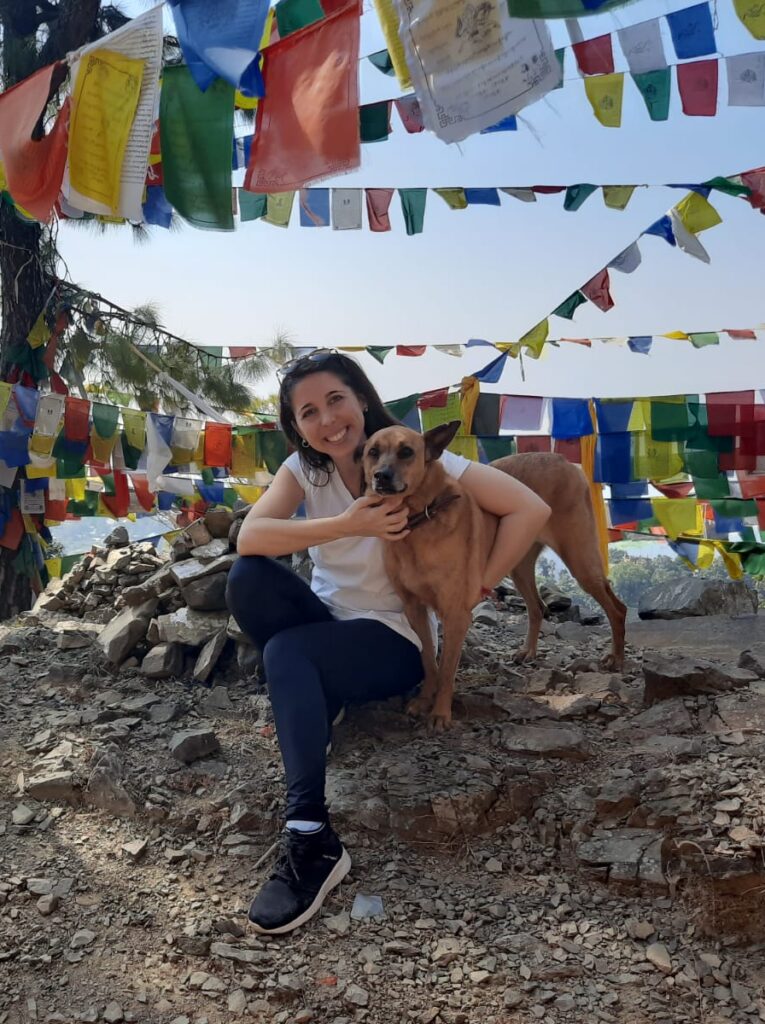
My words are a fluid thread between East and West, psychology and spirituality, academia and poetry.

About the path that brought me here

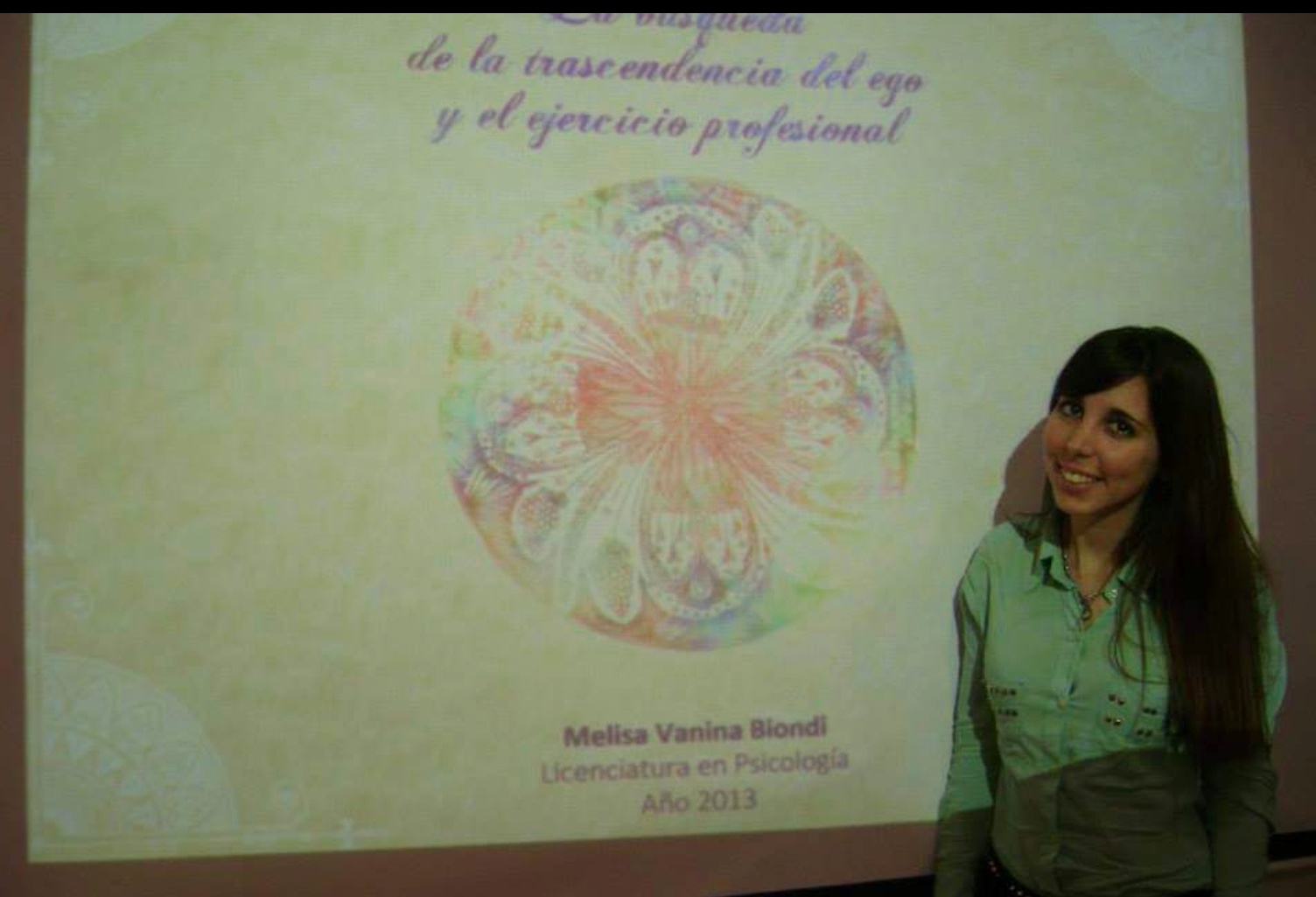
My undergraduate thesis, The Professional Practice and the Search for the Transcendence of the Ego, already sought a bridge between clinical practice and something larger, using transpersonal psychology as its theoretical framework. That work later led me to a postgraduate degree in Transpersonal Psychology, and it was there, in that early integration of East and West, that my specific interest in Buddhist psychology was born. I published on these first steps in Revista Uno Mismo, before settling in India. Since 2016 I’ve also been part of the Professional Team at Centro Transpersonal de Buenos Aires.

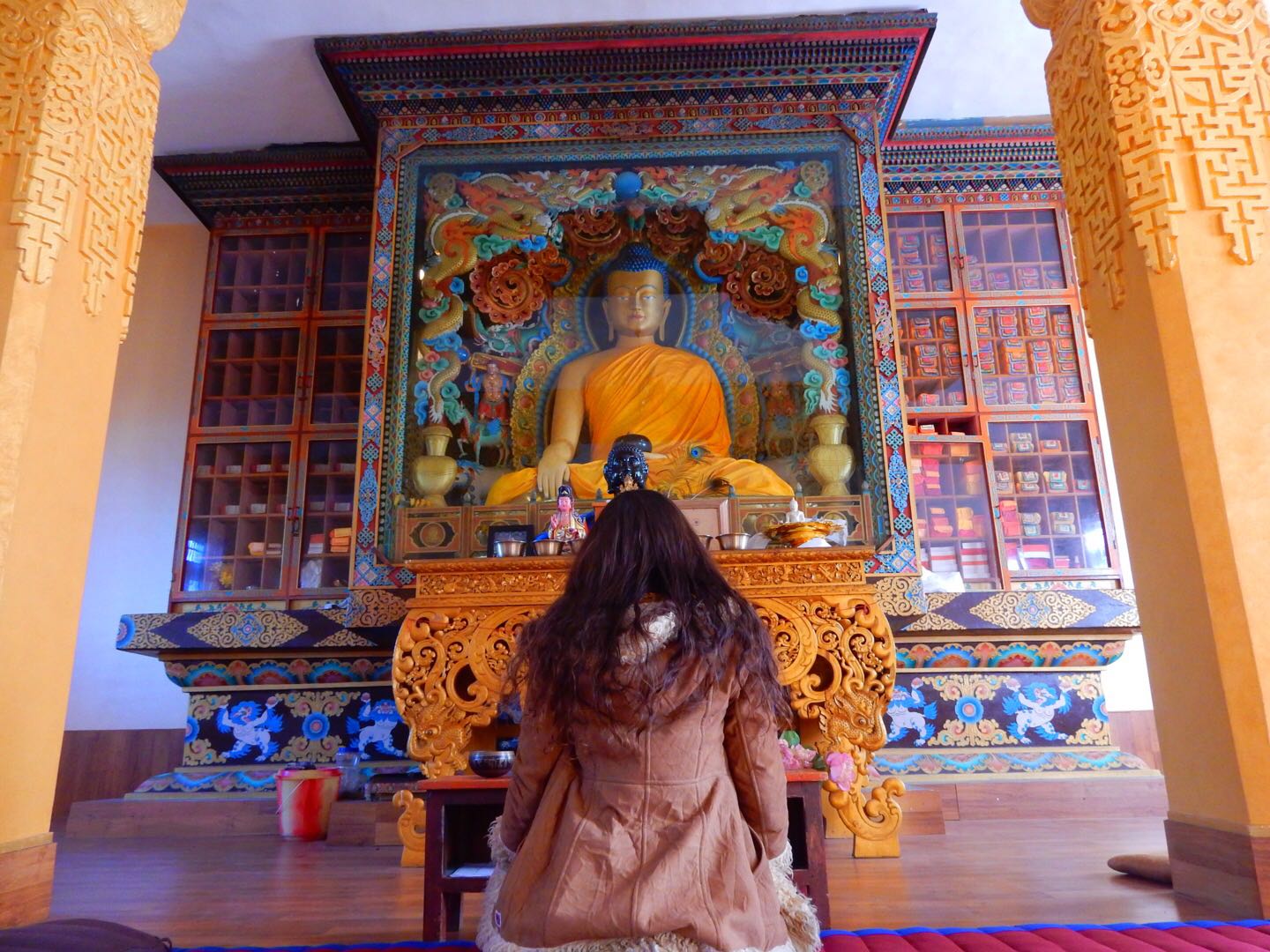
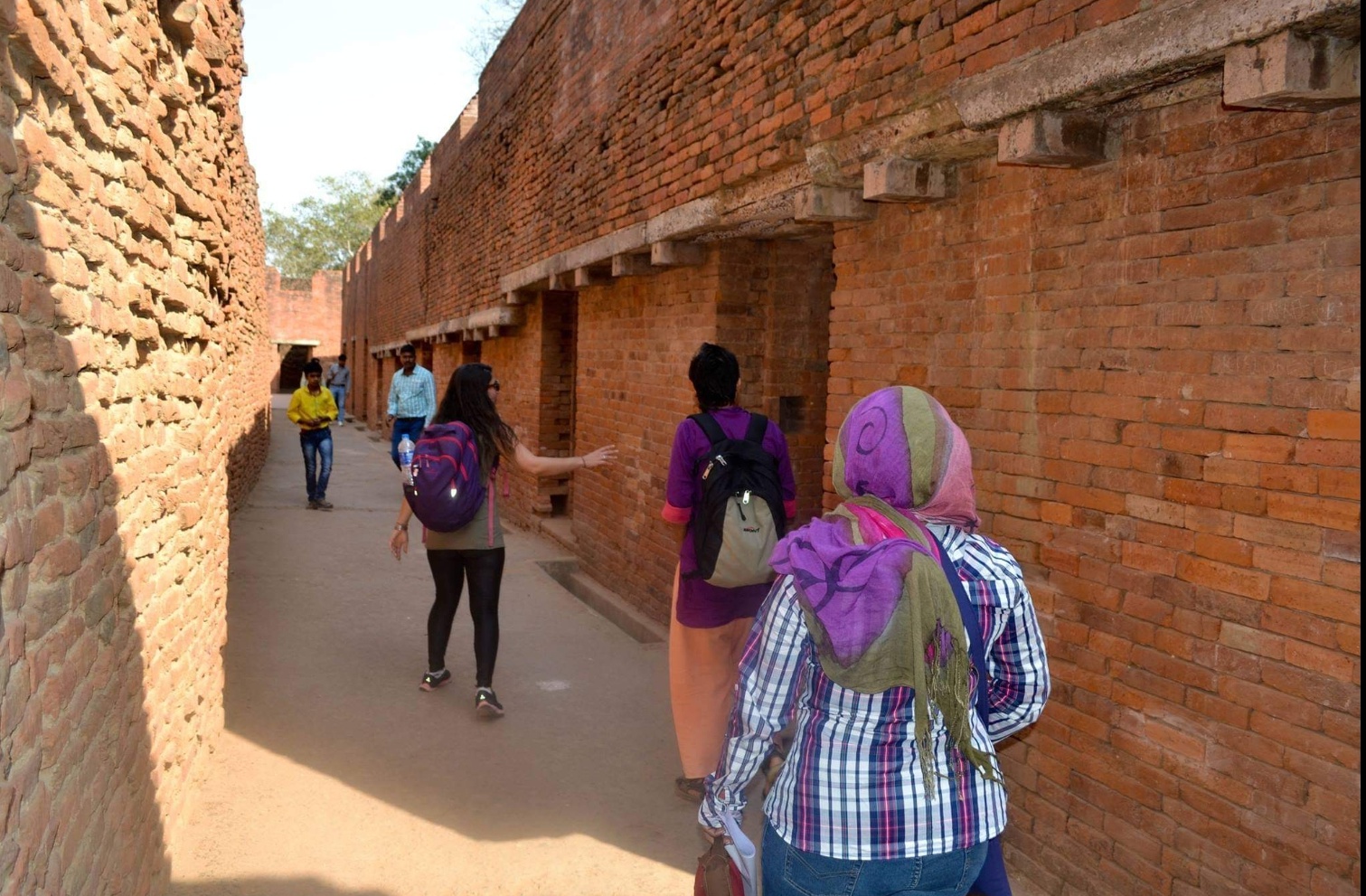
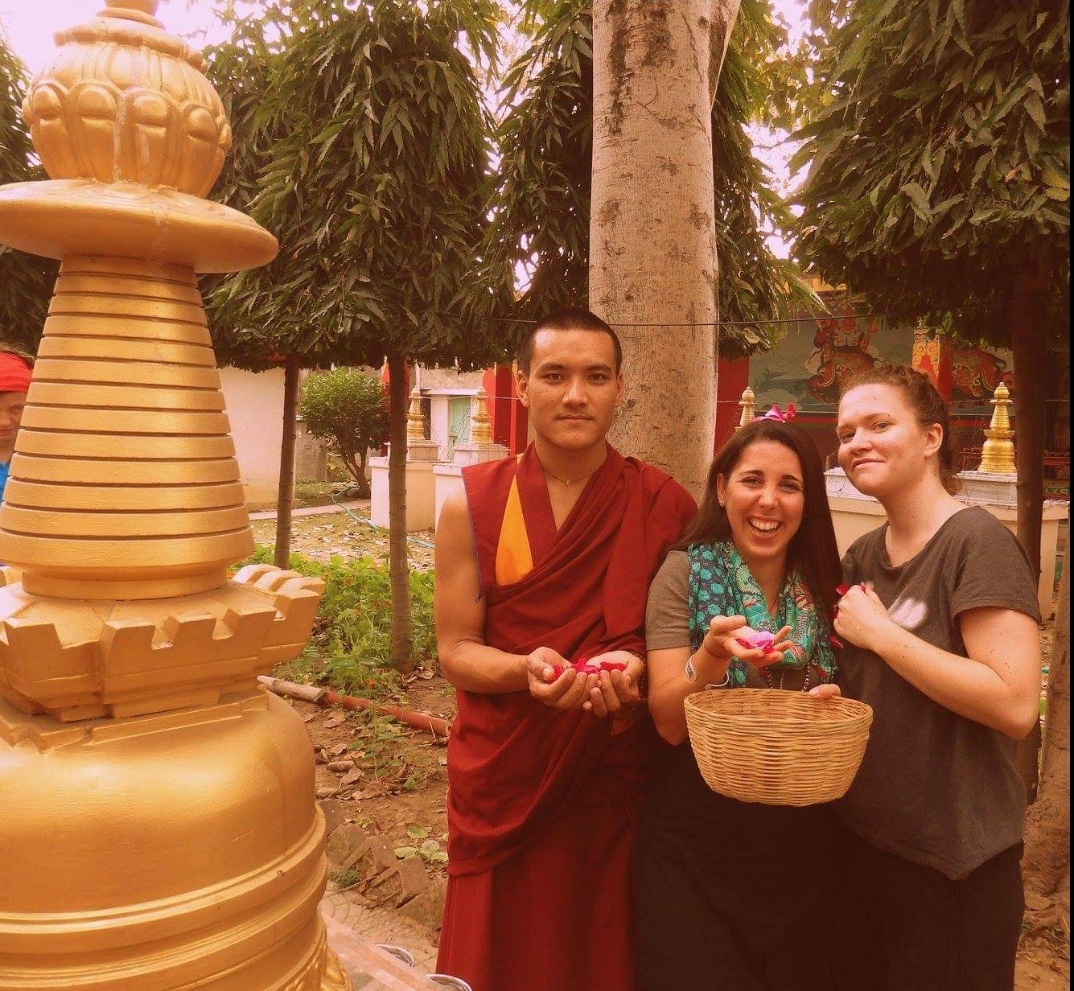
Those first steps led me to seek out the source itself. I arrived in India wanting to go deeper into a spiritual, and psychological, path that would give my life a profound sense of purpose. It’s from that path that I approach my work as a therapist today, and my writing as well.
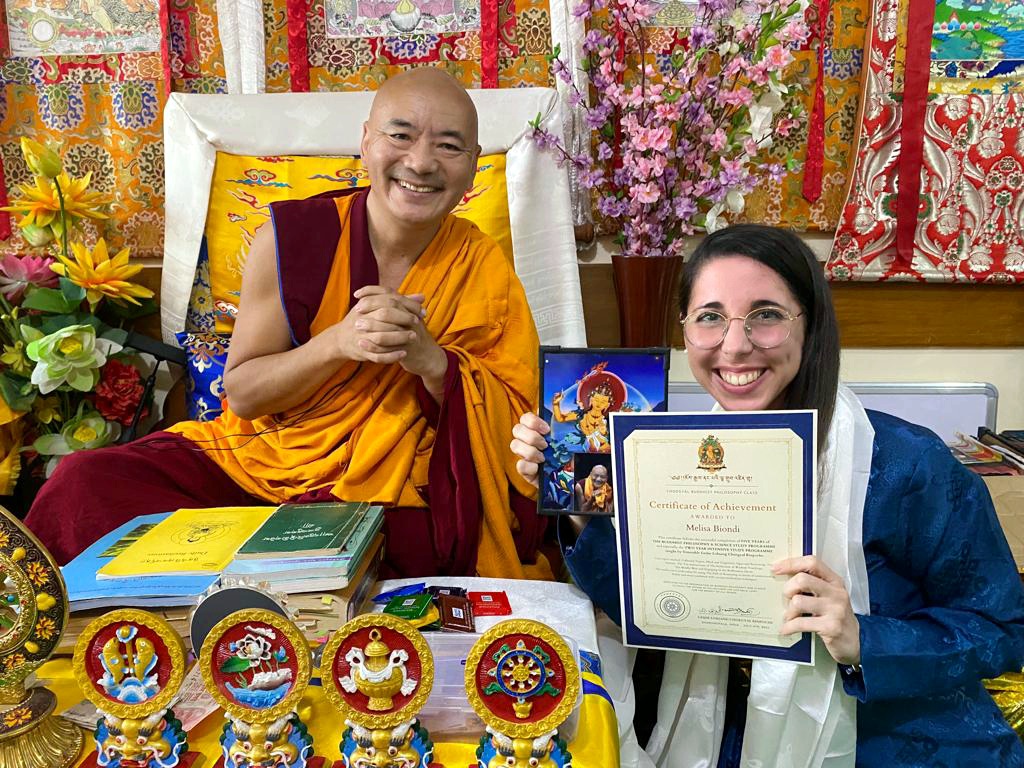
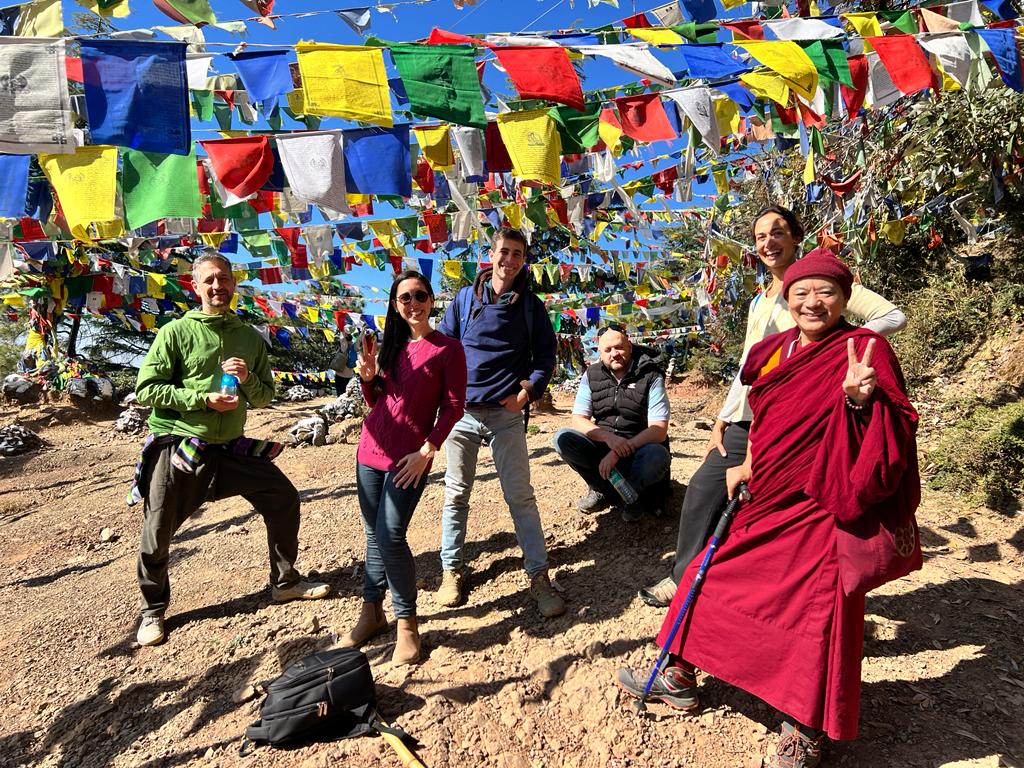
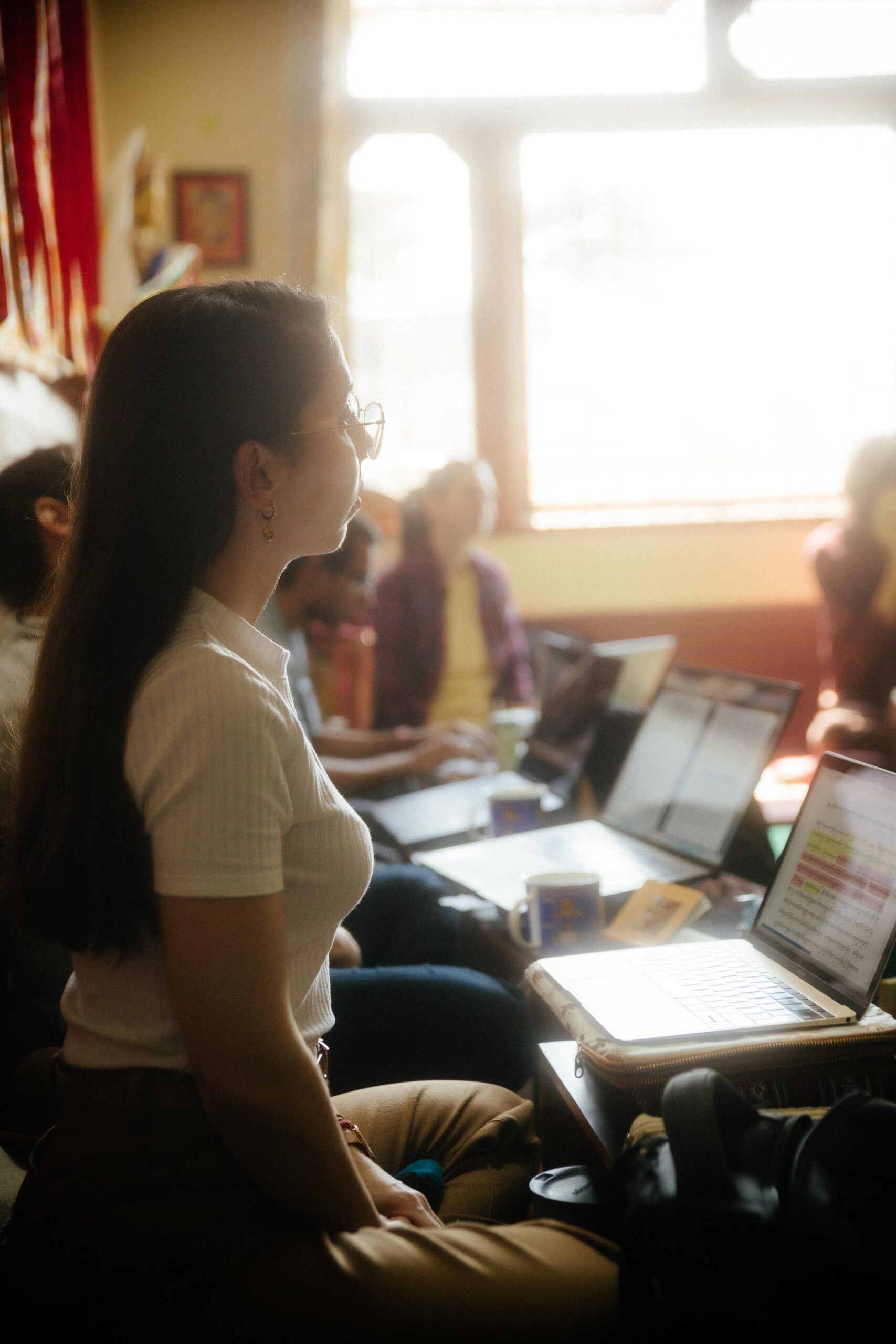
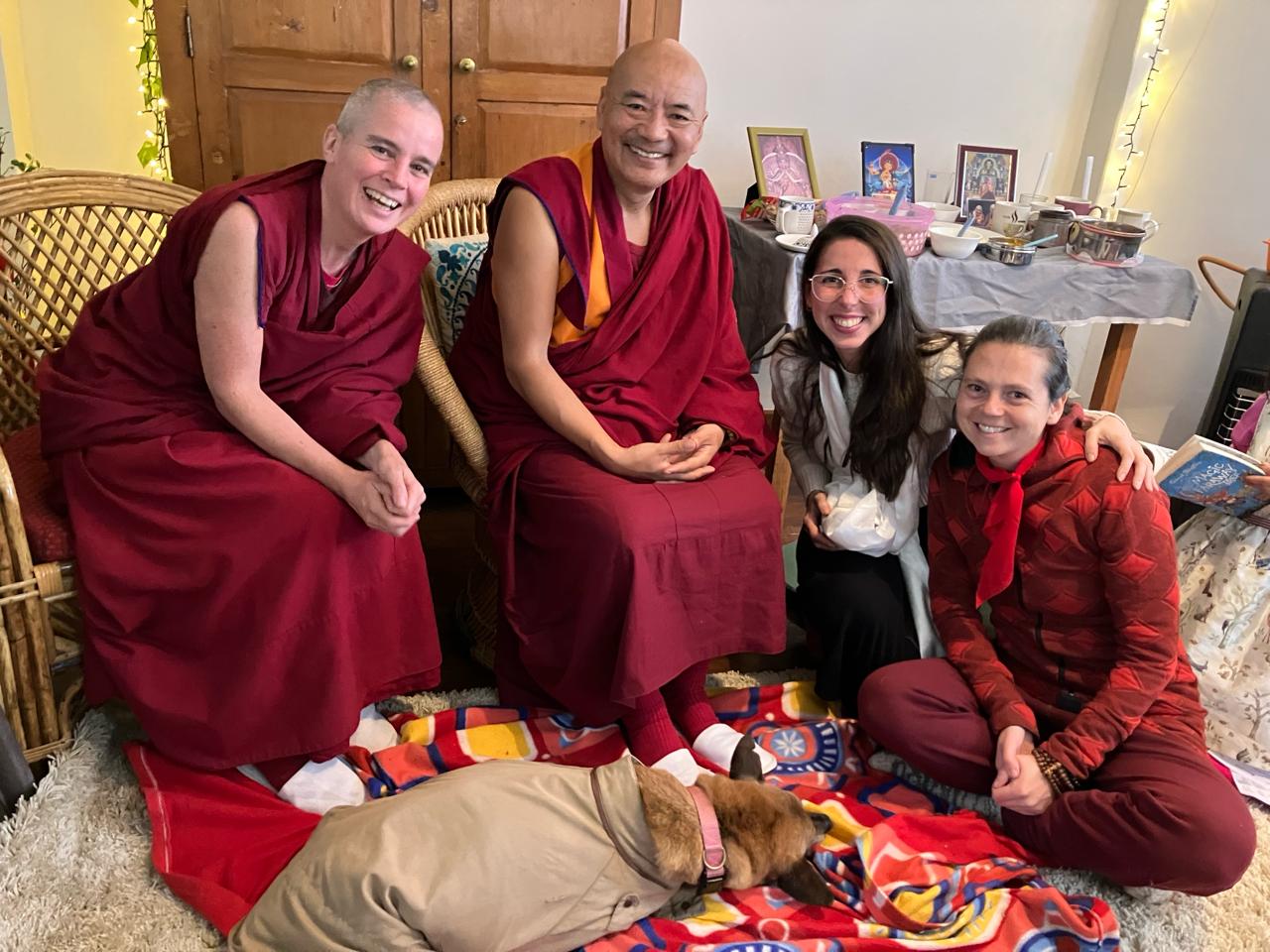
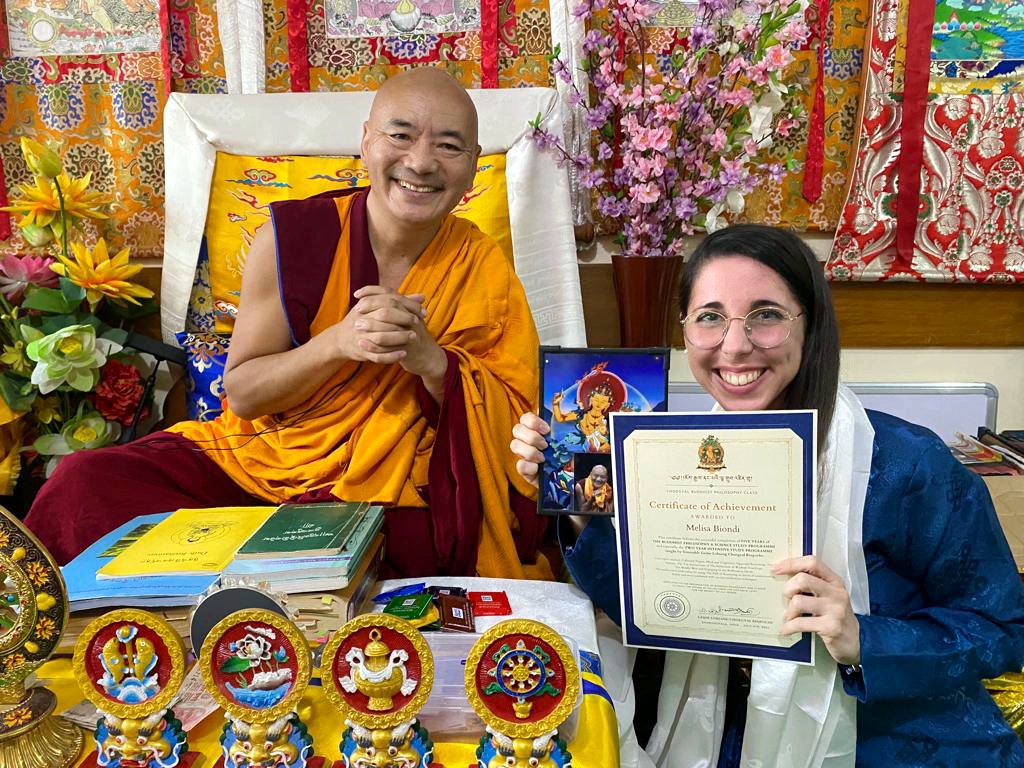
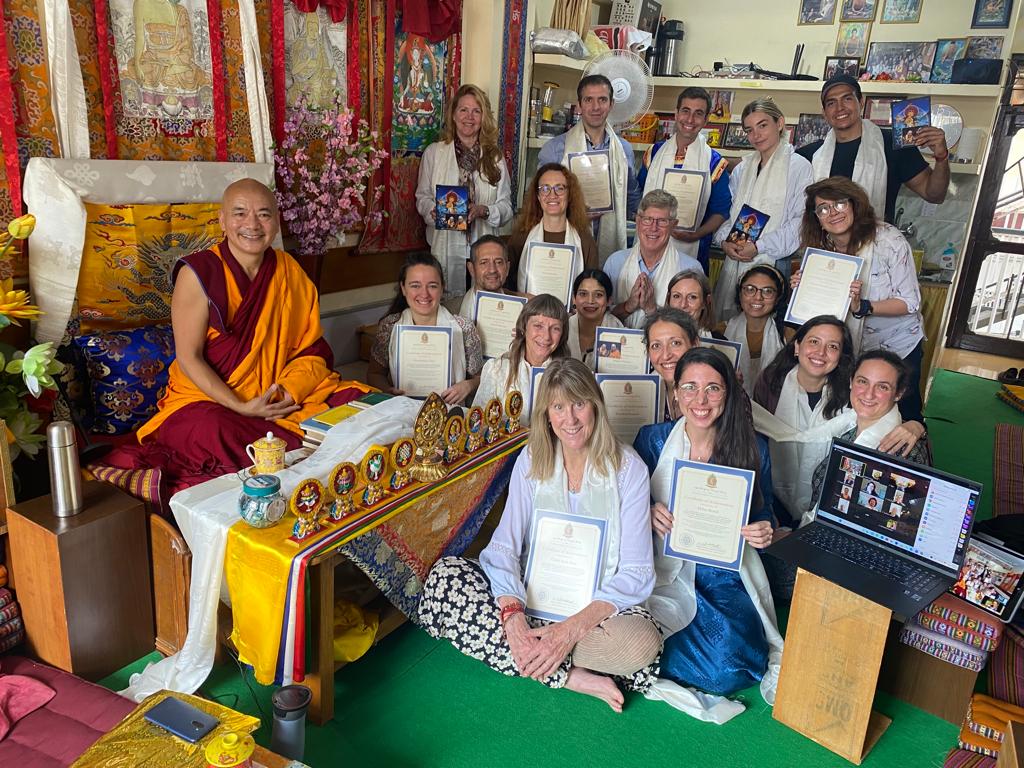
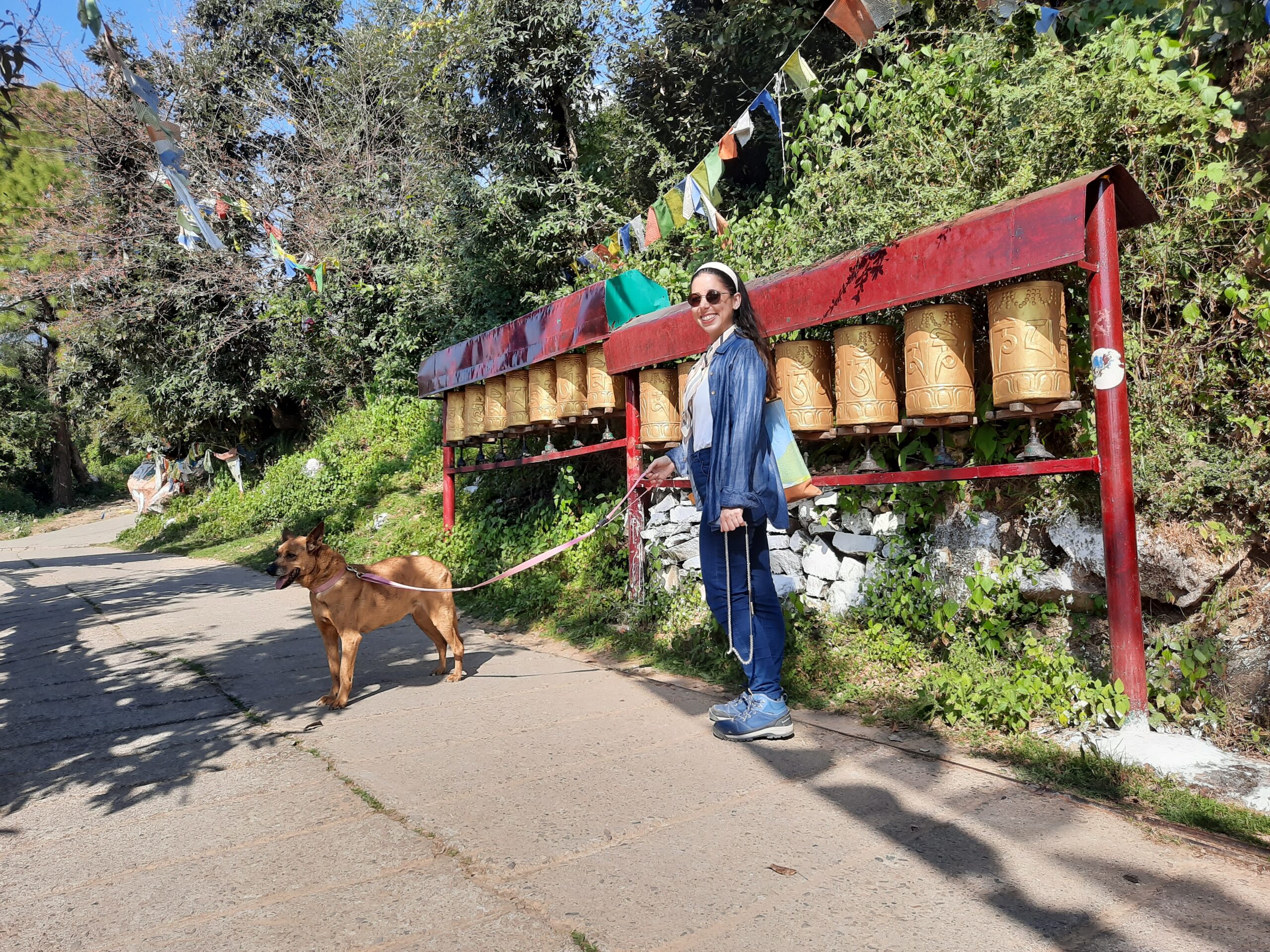
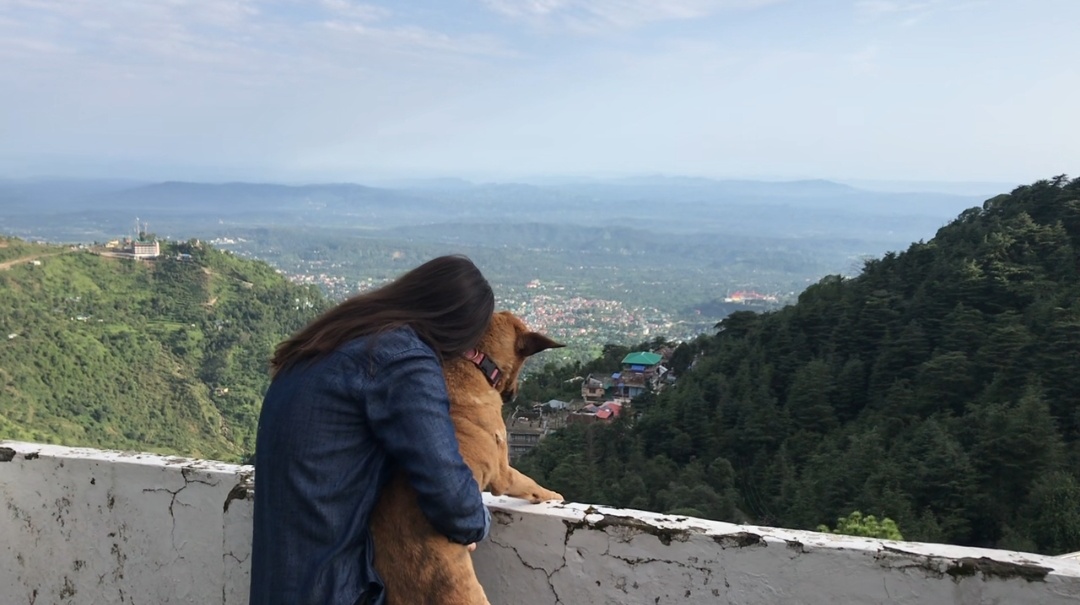
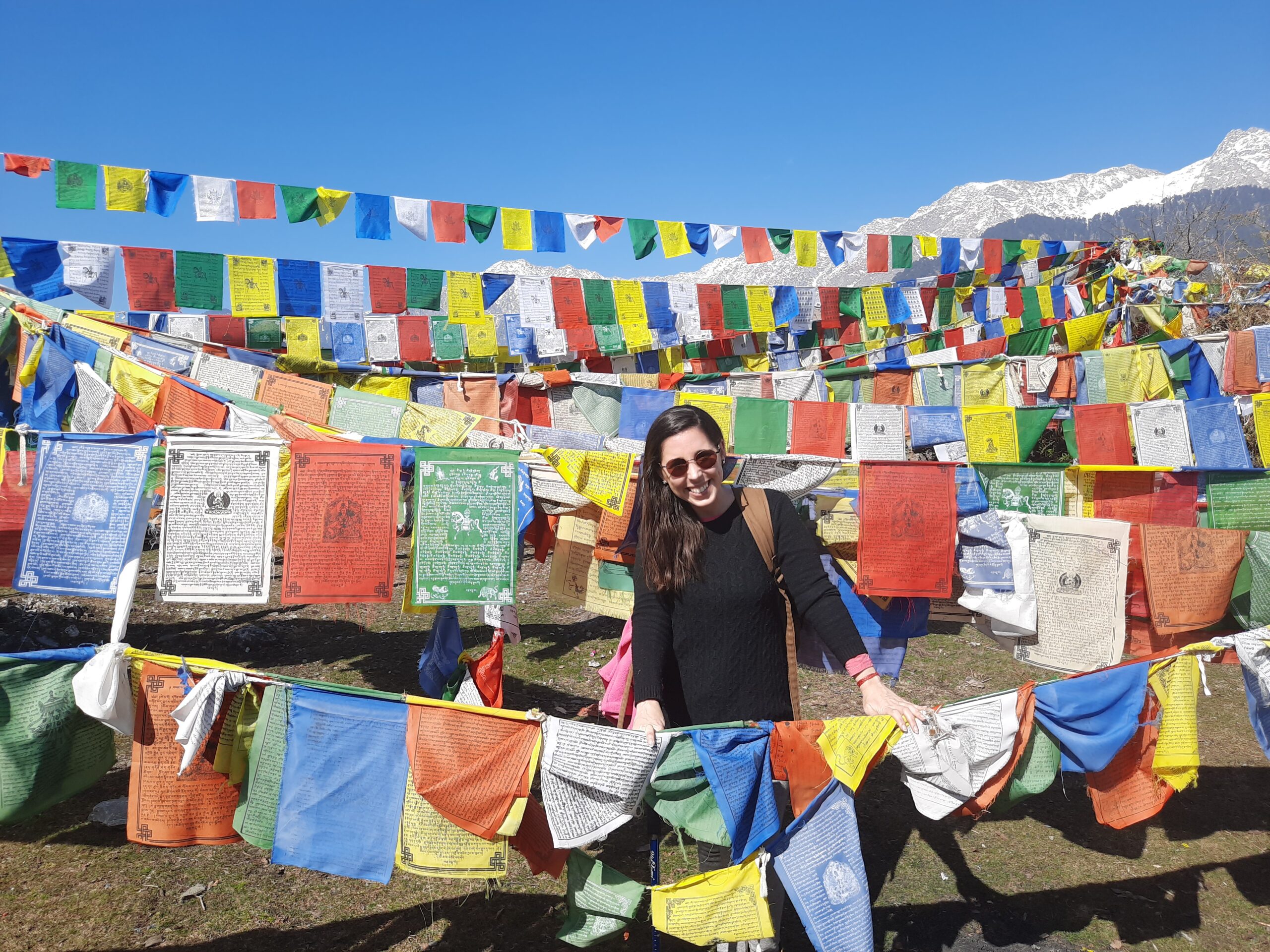
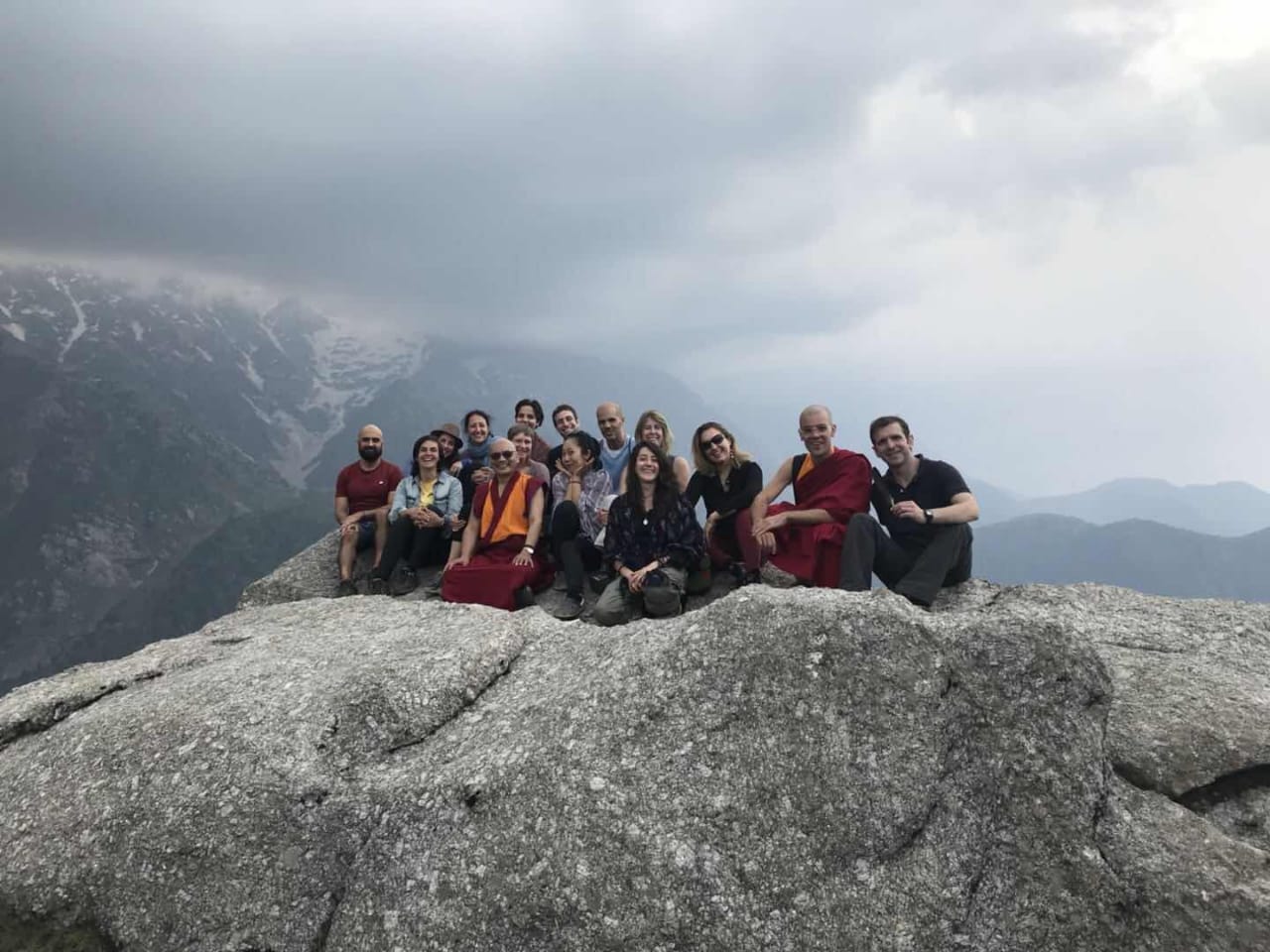
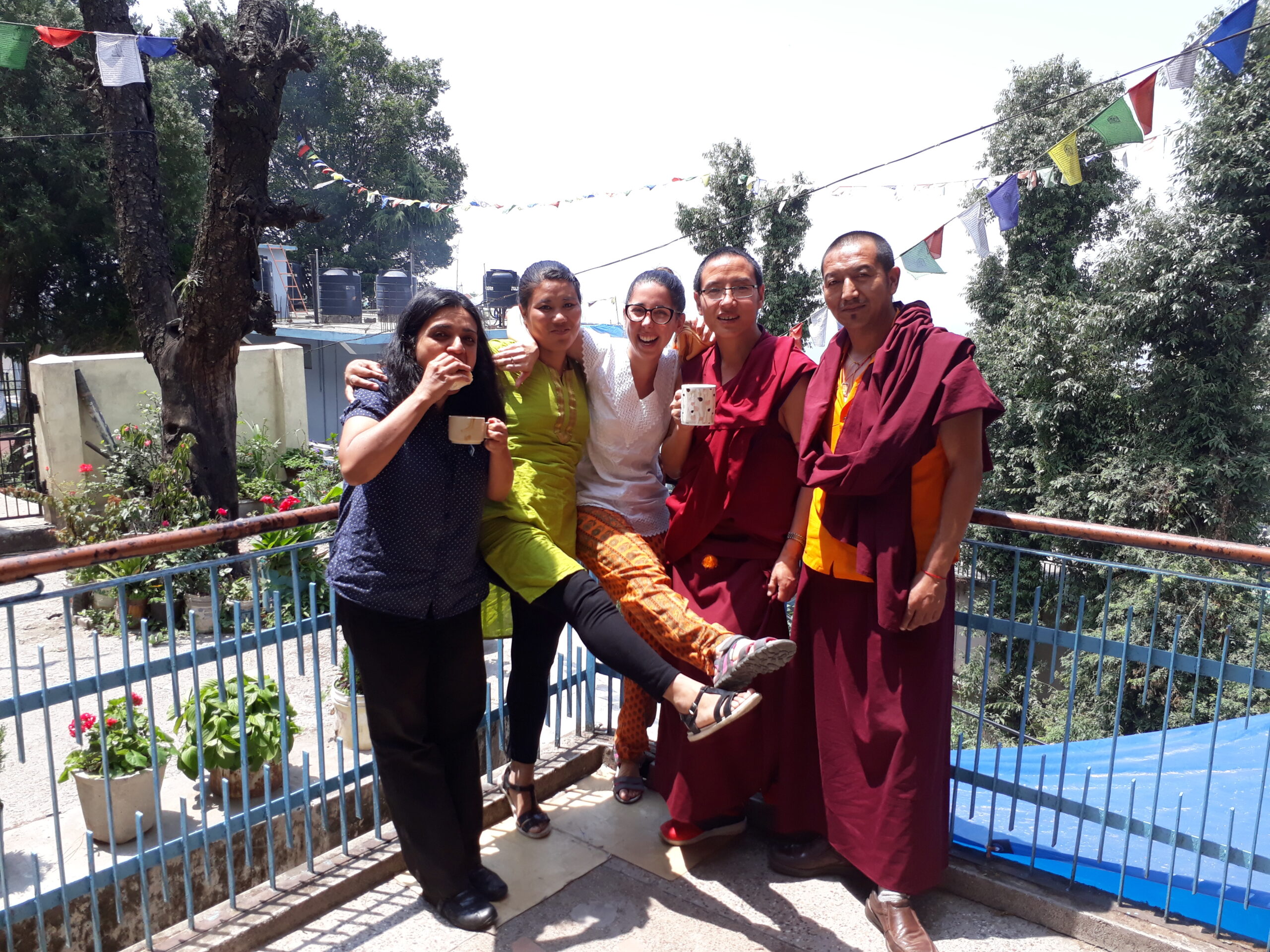
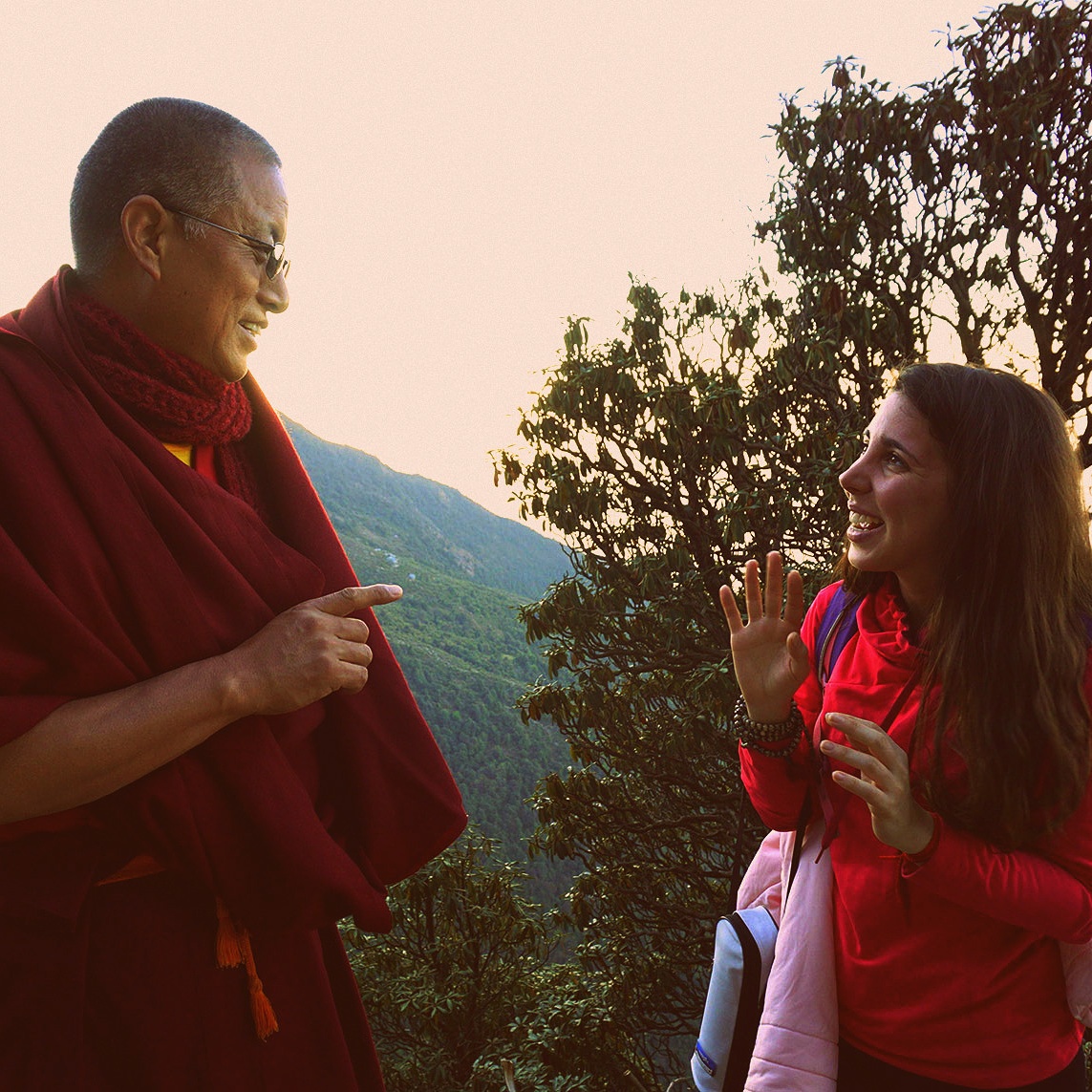
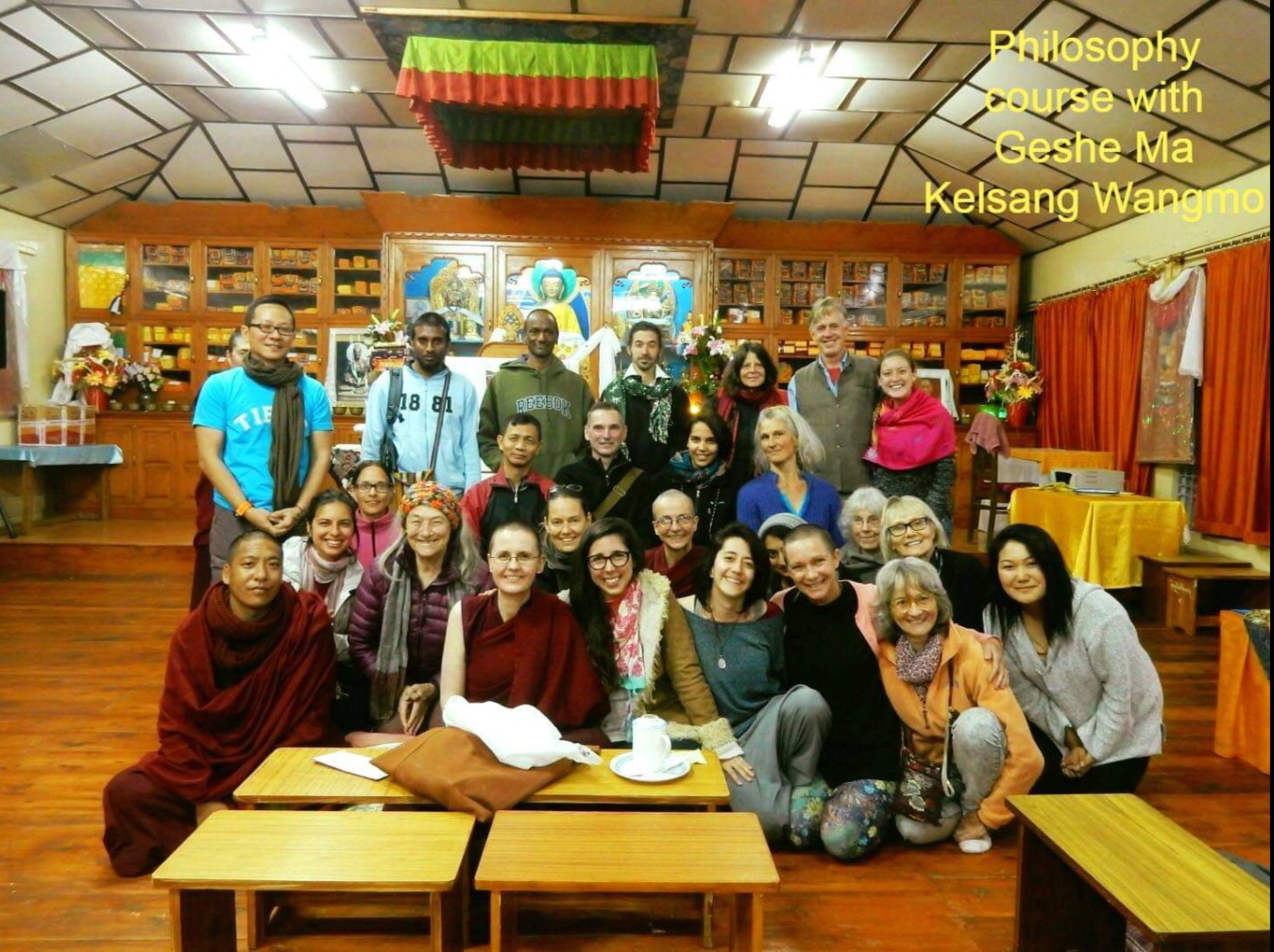
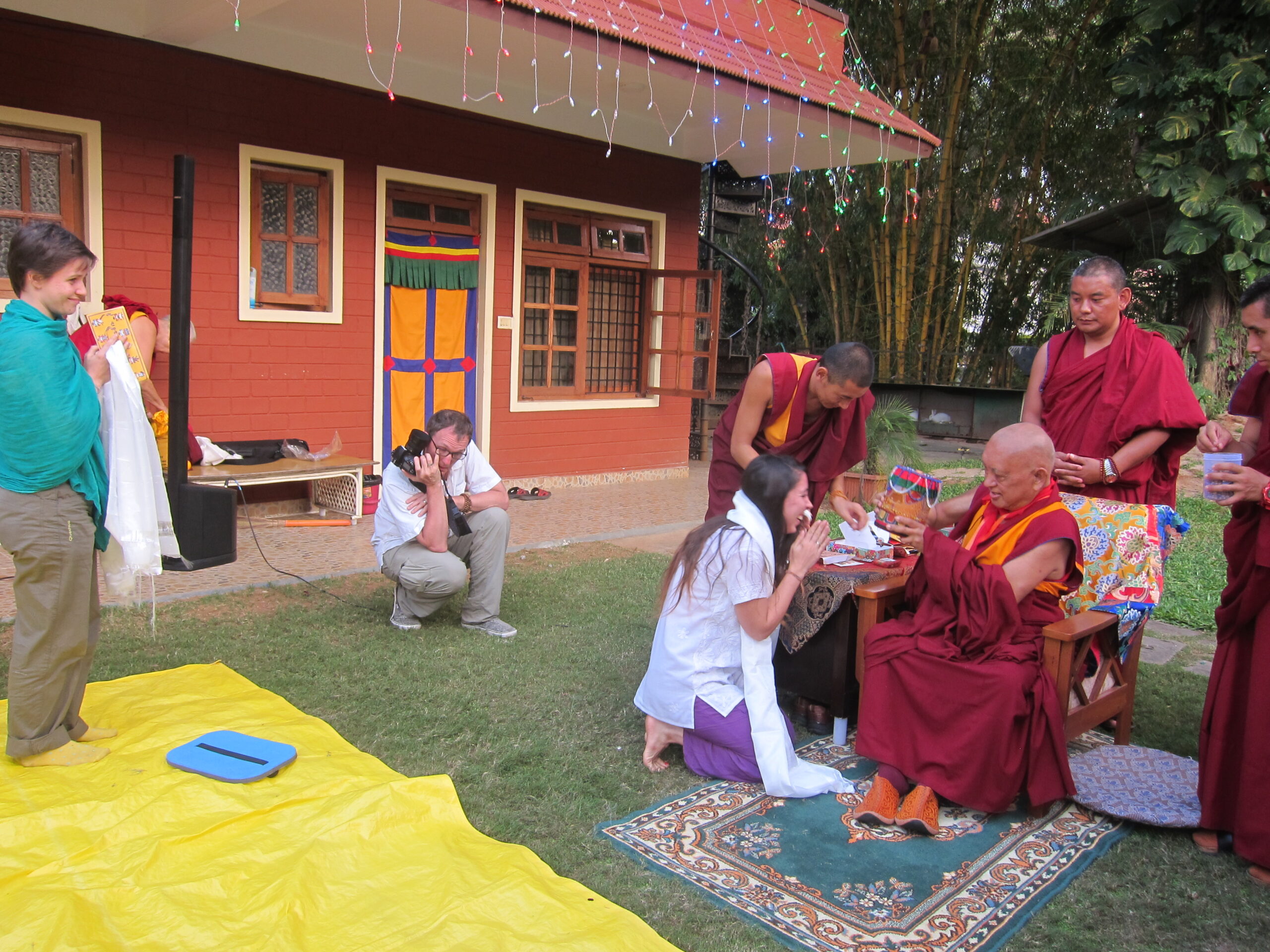
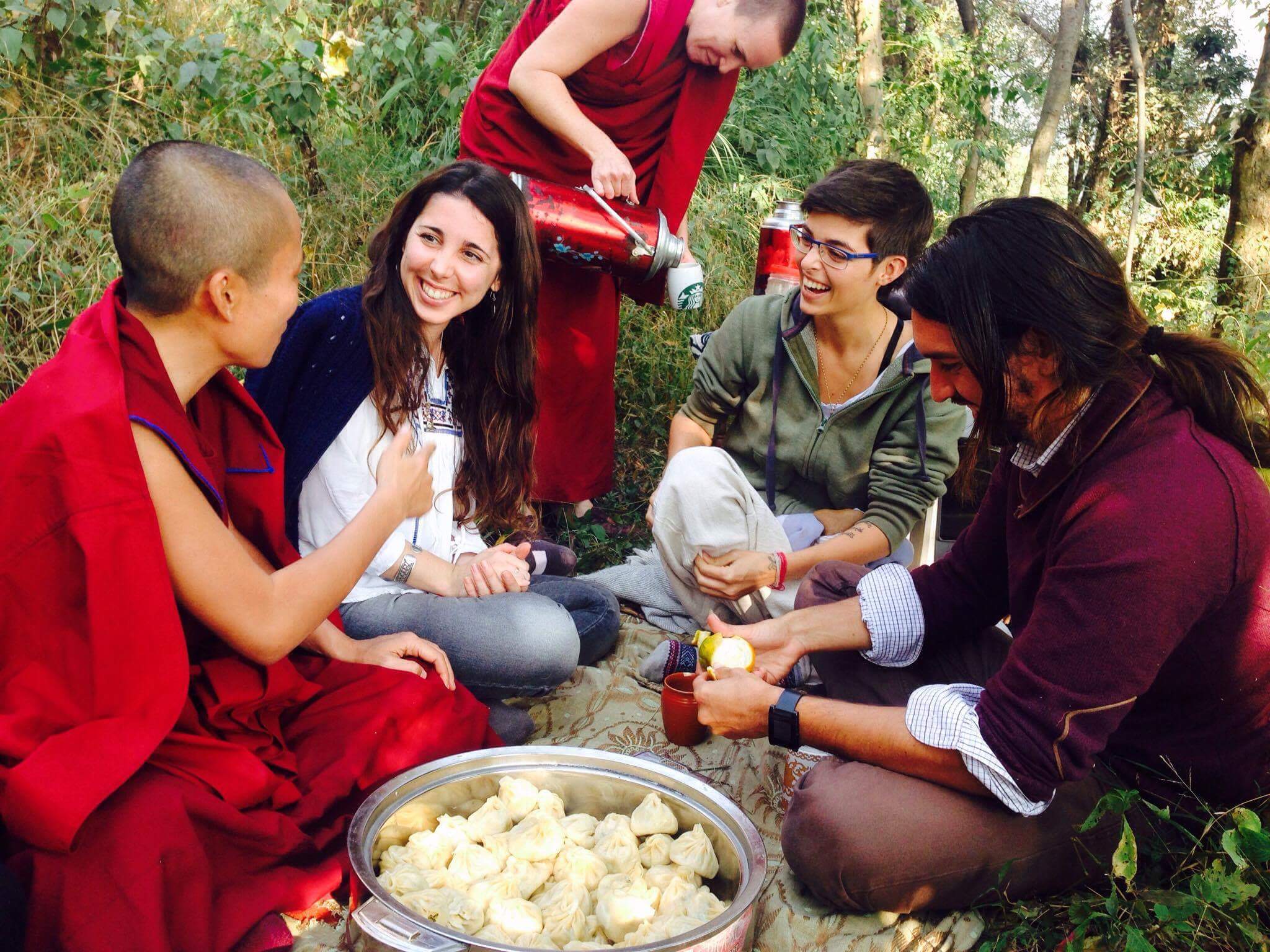
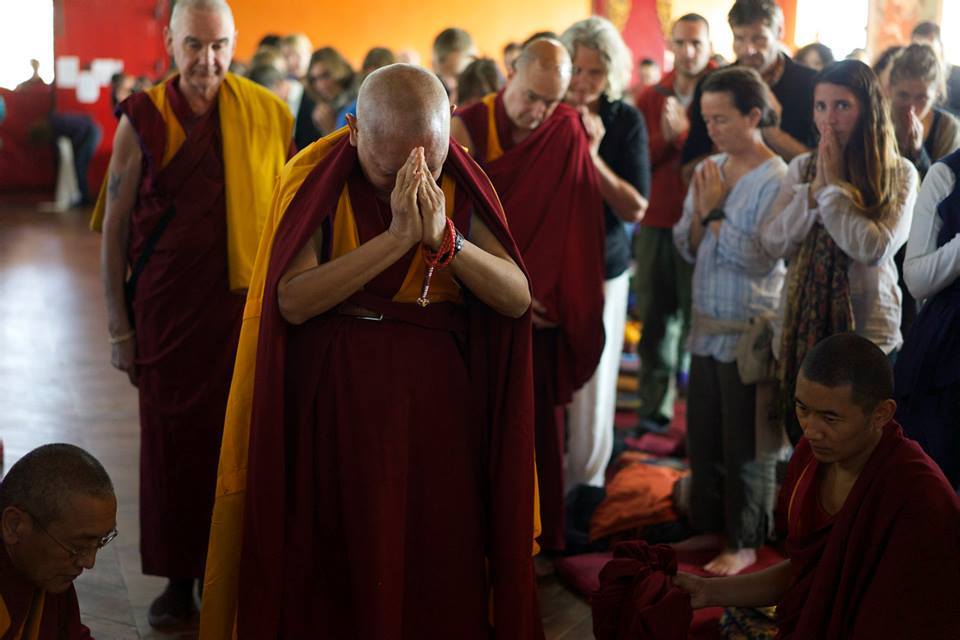
Over ten years ago I settled in Dharamsala, home to His Holiness the Dalai Lama and a large Tibetan community in exile, to study Buddhist Philosophy and Psychology at its source: the Tibetan tradition, its language, its texts, its teachers. I learned Tibetan. Since 2017 I’ve taken daily classes with my teacher, Geshe Lobsang Chögyal Rinpoche, who graduated as a Geshe from the Institute of Buddhist Dialectics.

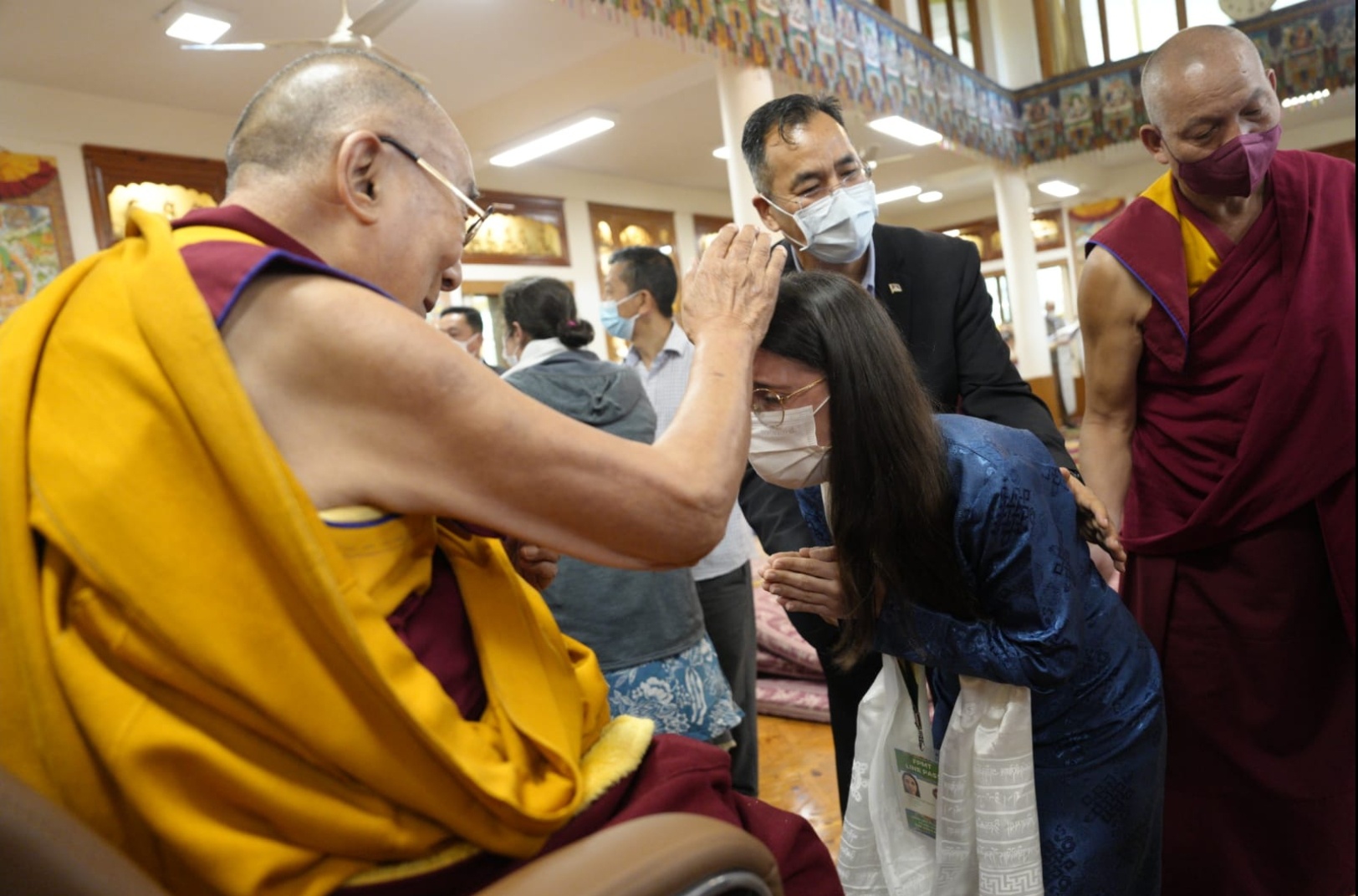
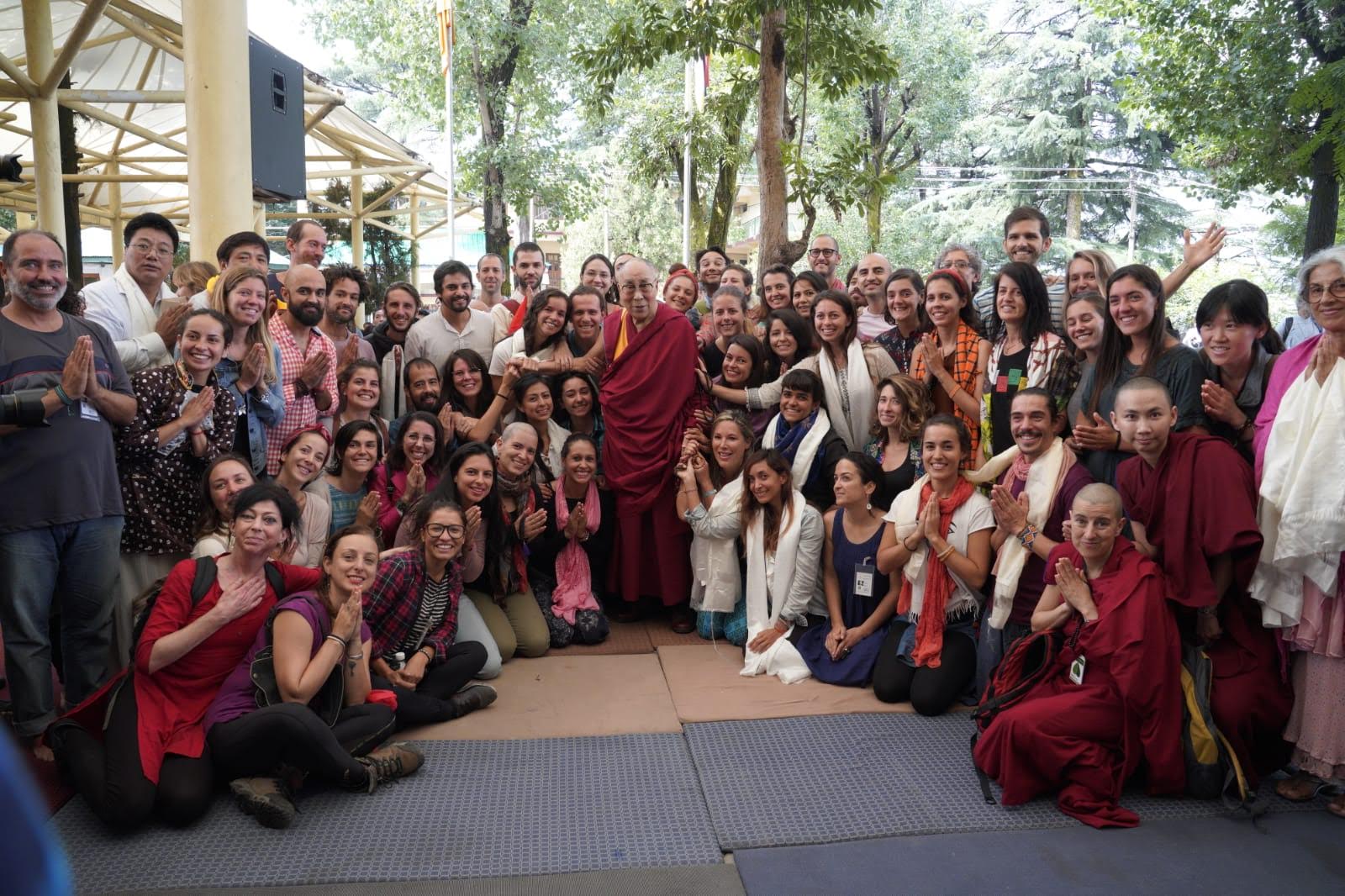
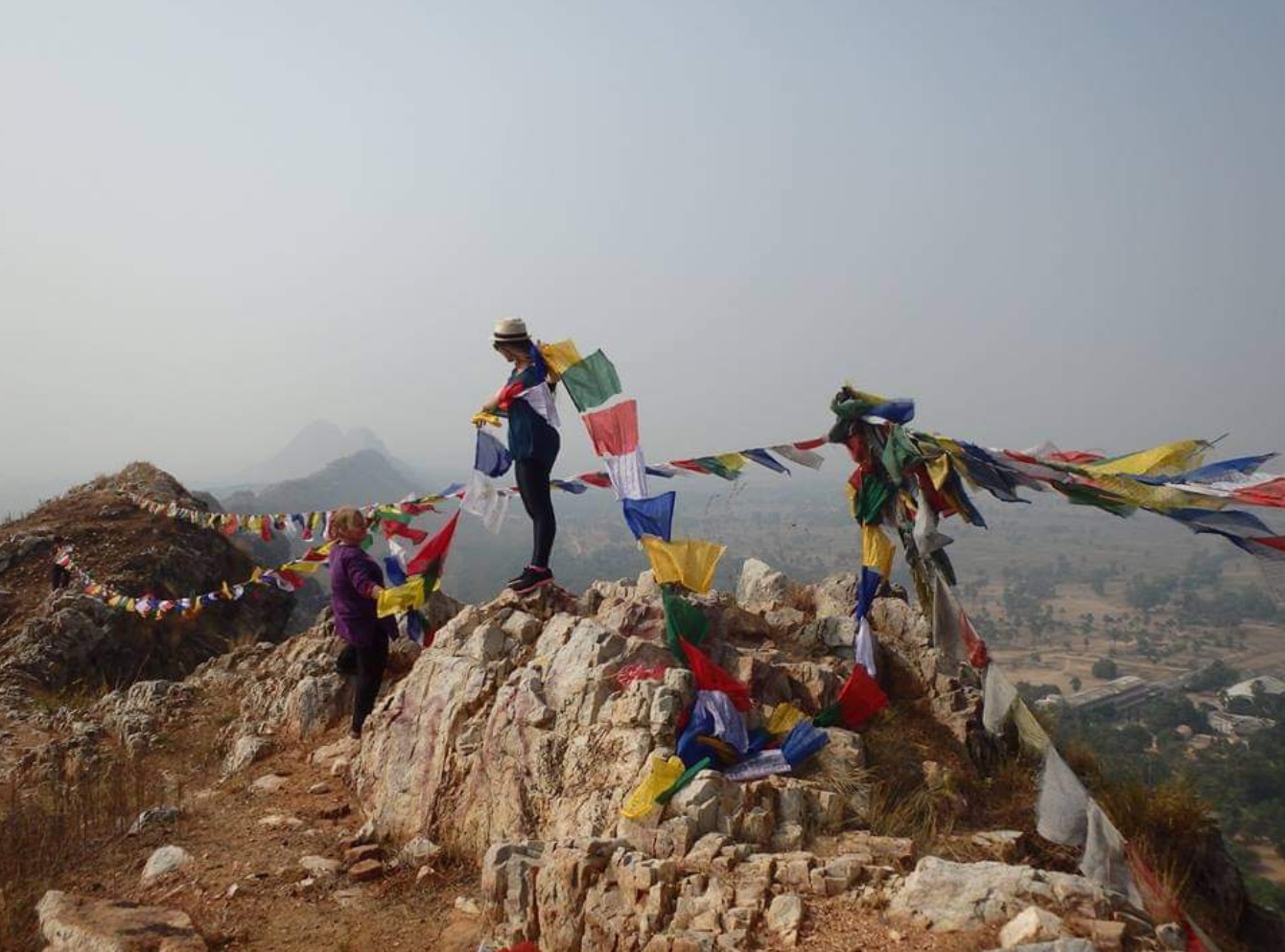
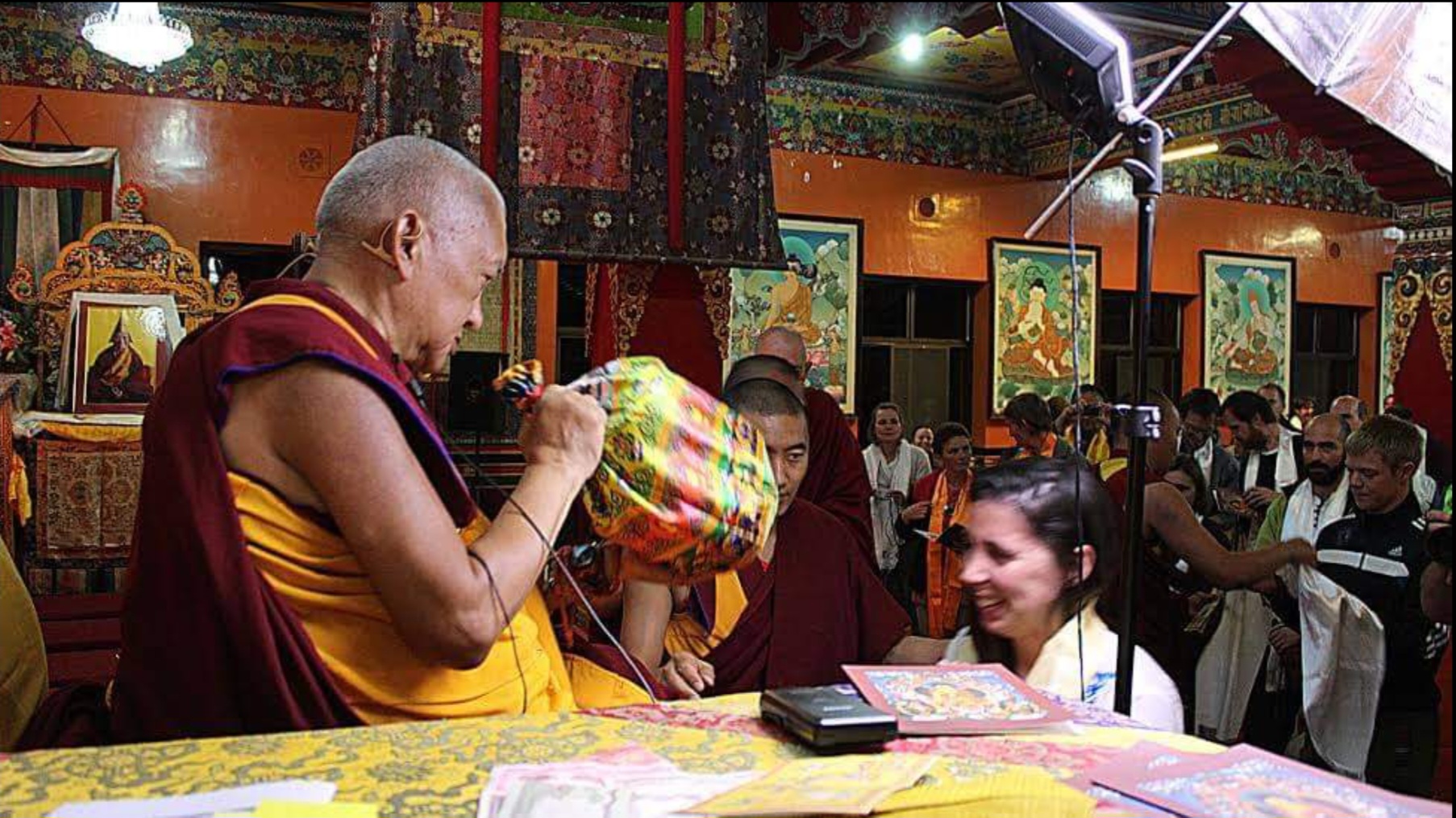
Since 2014 I’ve attended teachings by His Holiness the Dalai Lama, in Dharamsala and elsewhere in India.

Over time, my relationship with my teacher deepened in another way too: since 2024 I’ve been training under his guidance as an oral interpreter, translating his teachings from Tibetan into English and Spanish, one small way of holding the same kind of bridge I try to build in session.

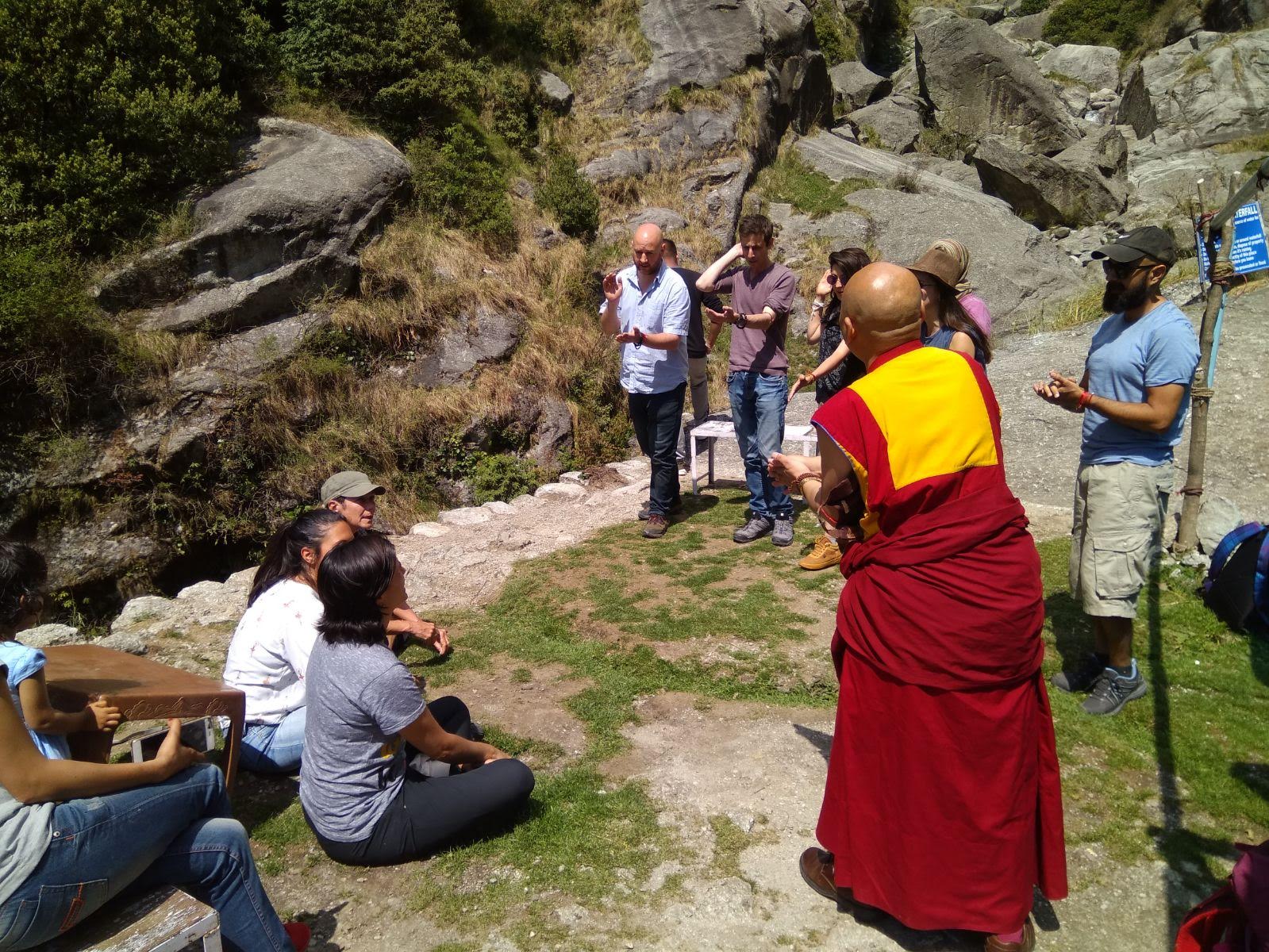
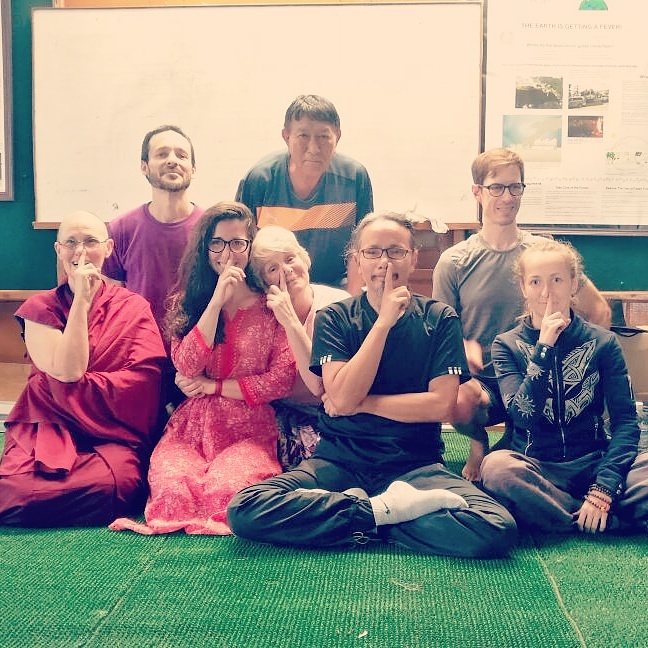
While living in Dharamsala, I brought this integration into practice: I facilitated workshops and retreats bringing together secular Buddhist psychology, Western psychology, and neuroscience in Argentina and in Mozambique.

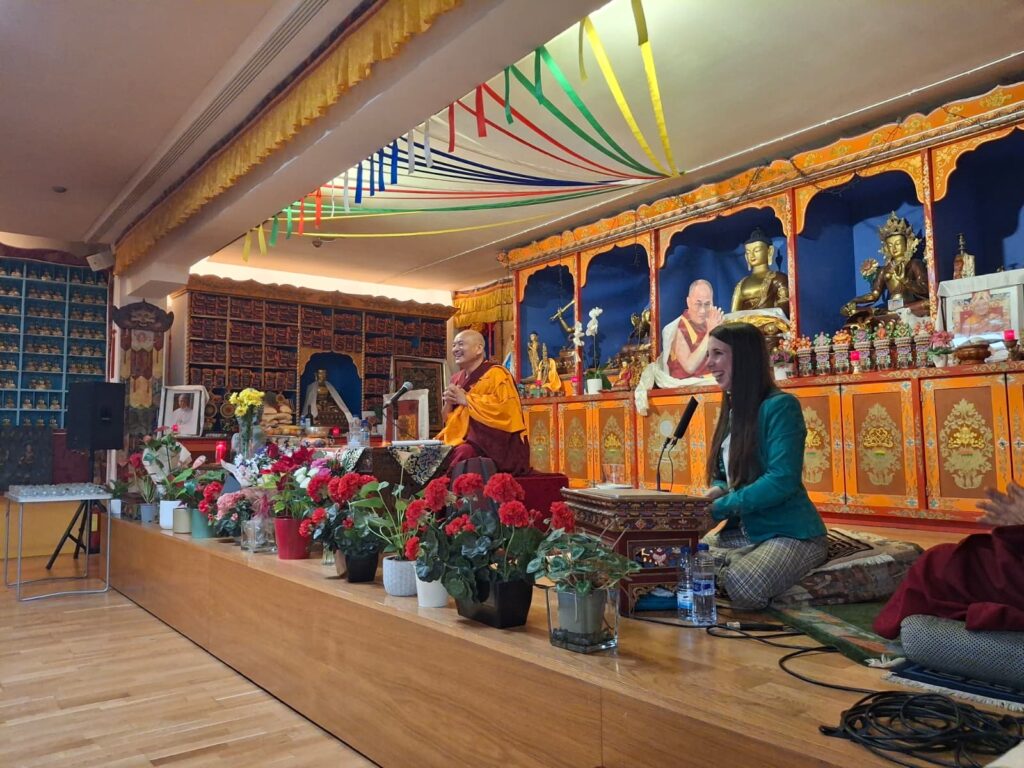
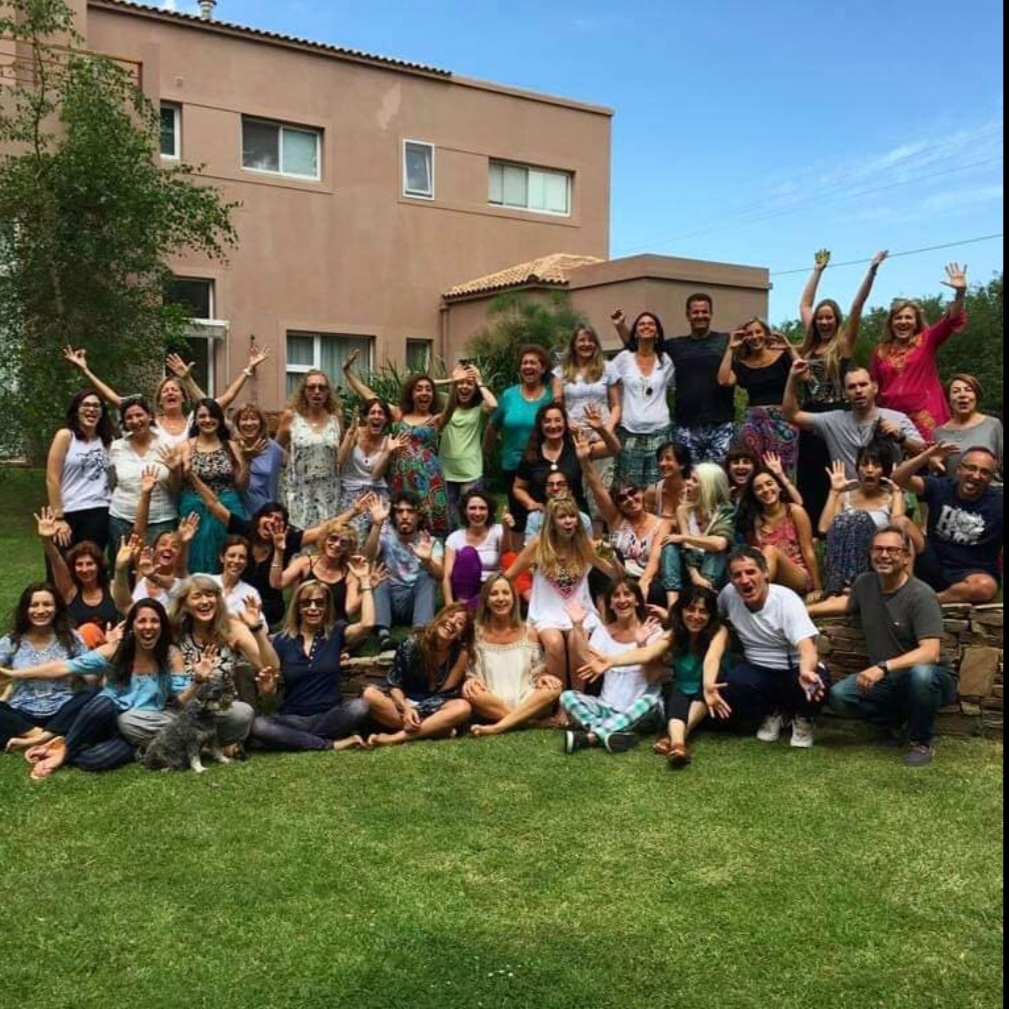
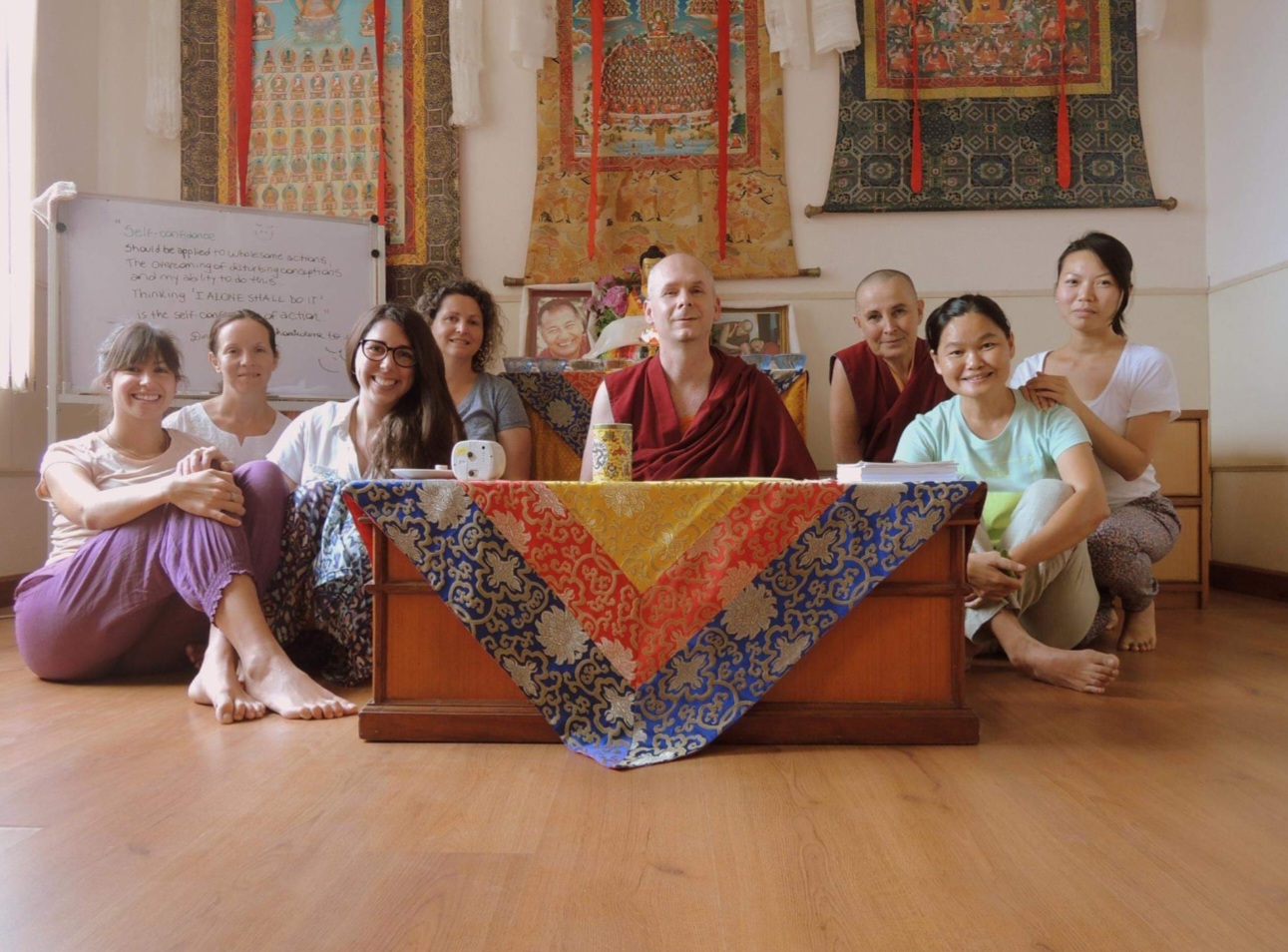
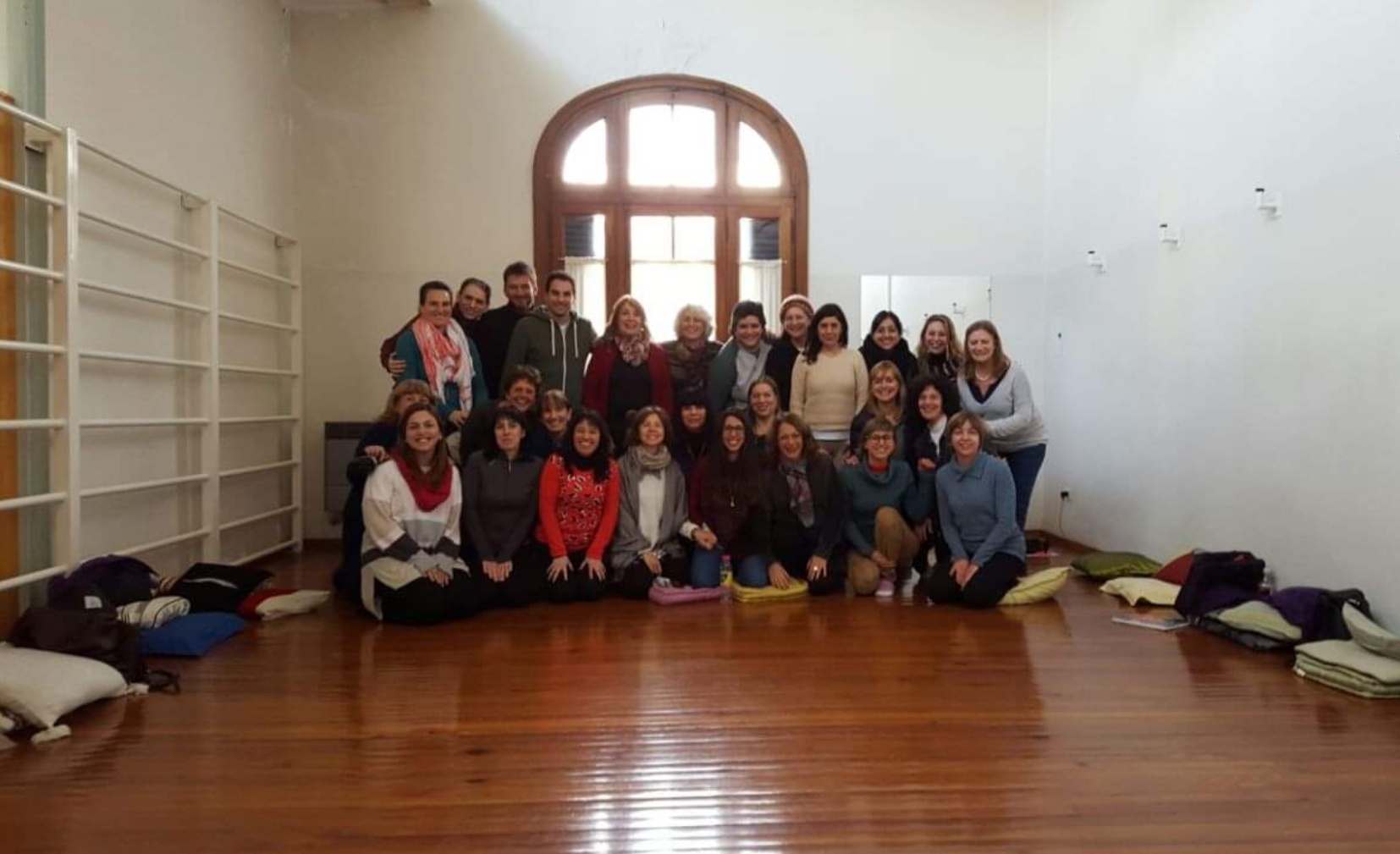
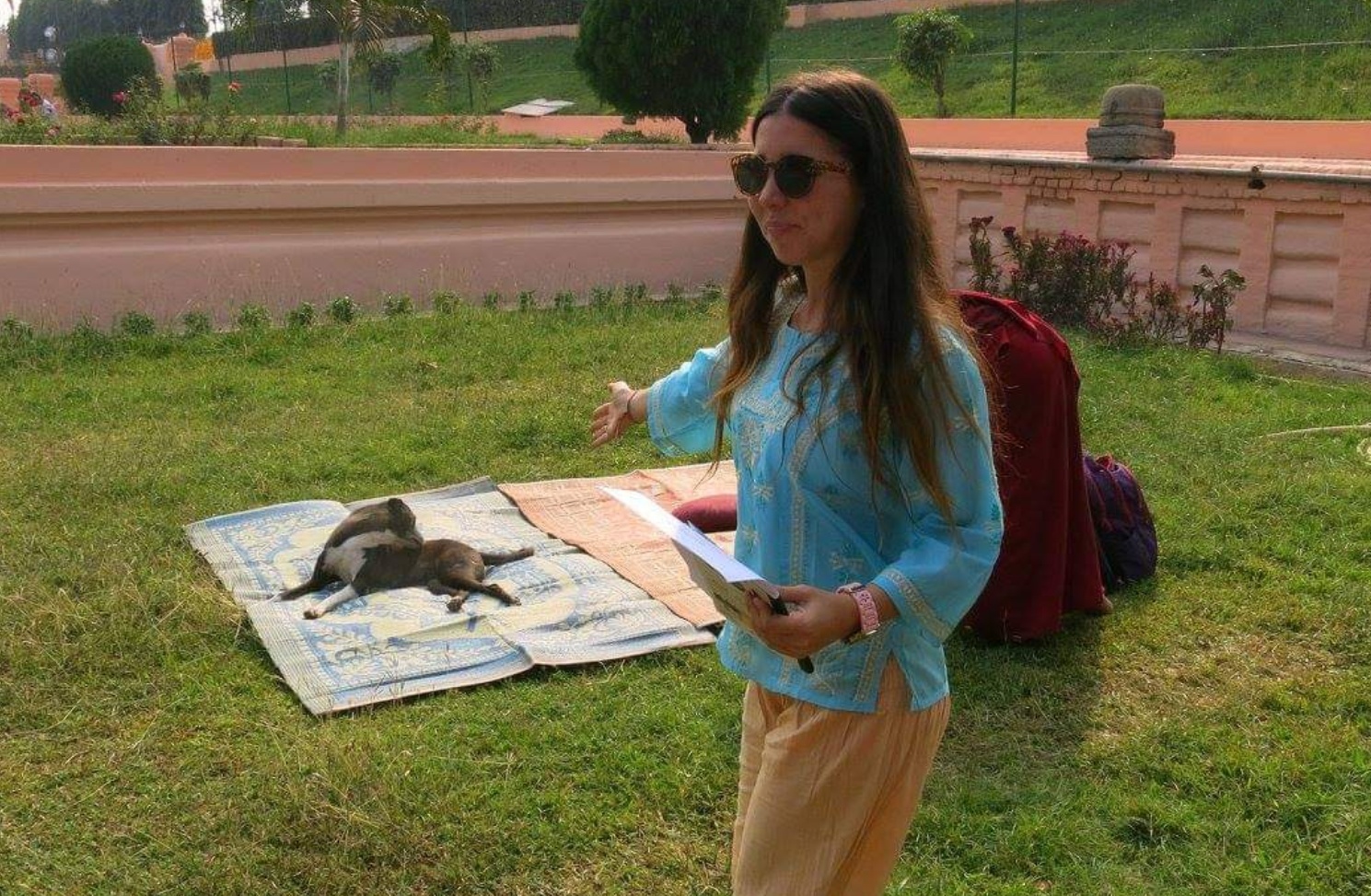
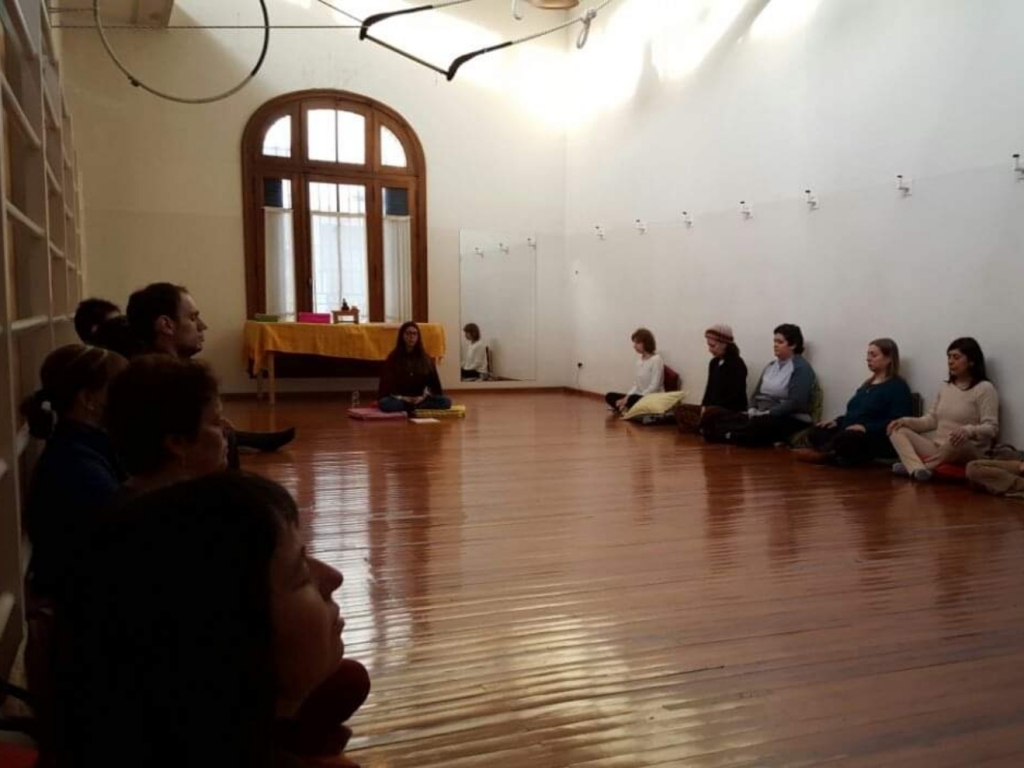
Facilitating a workshop on Buddhist Psychology in a secular format during a visit to Buenos Aires, Argentina, in 2016.
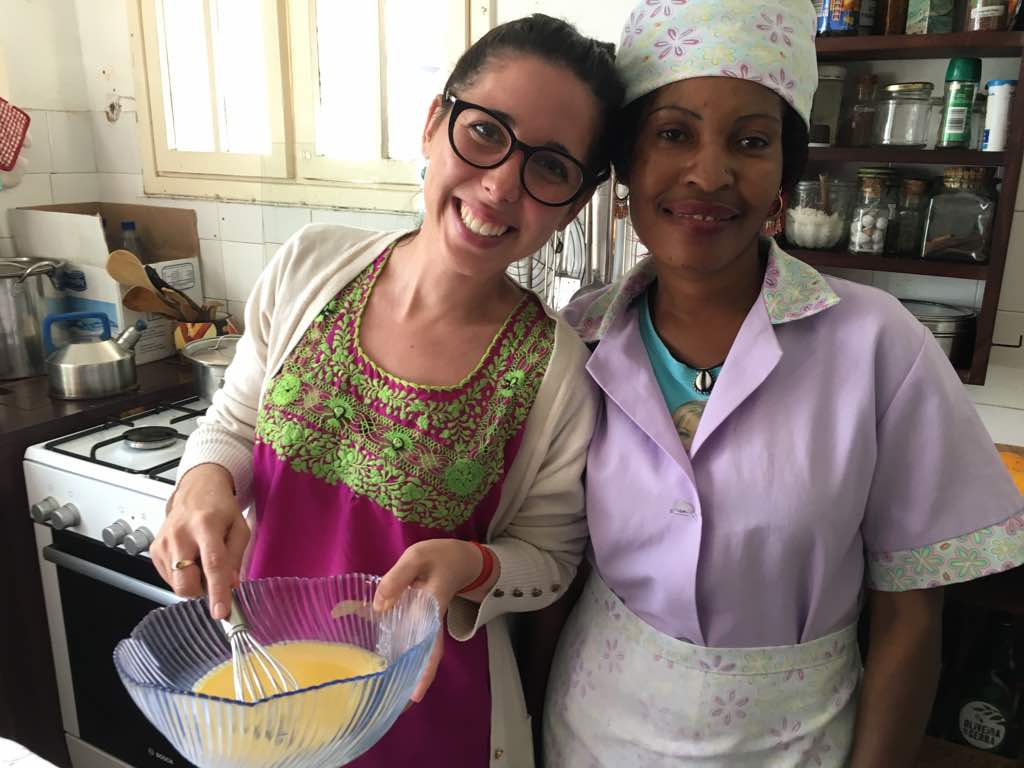
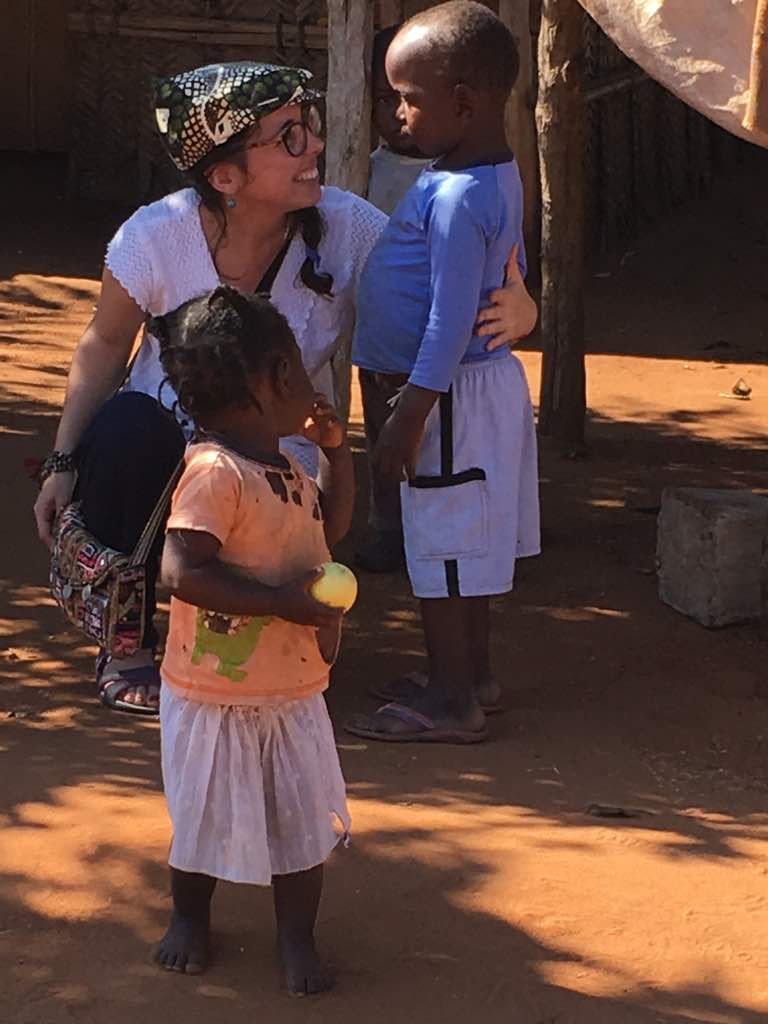
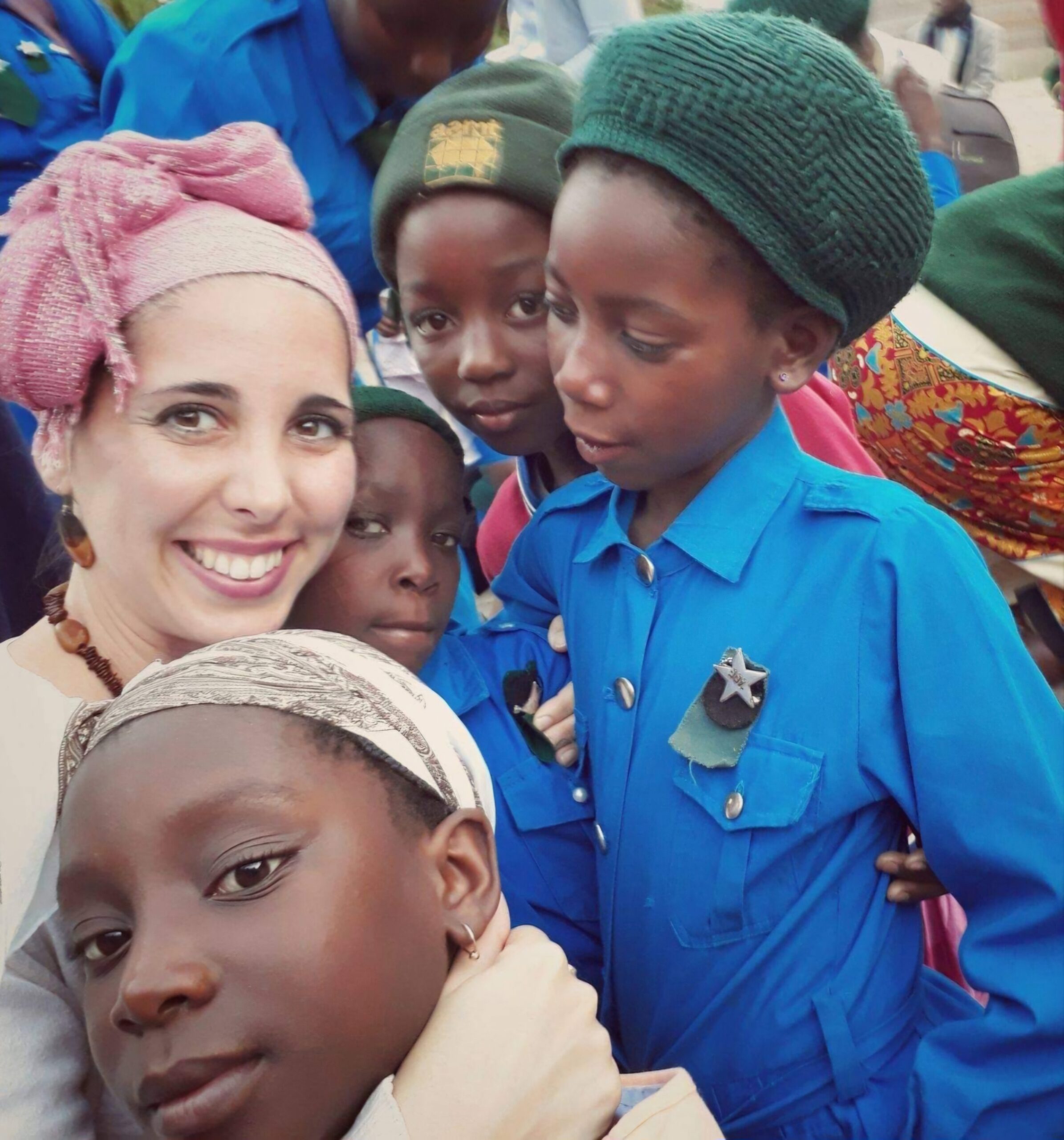
Facilitating a retreat integrating secular Buddhist Psychology, Western Psychology, and Neuroscience in Mozambique, 2017.

What I learn in Dharamsala doesn’t stay in meditation or philosophy: it becomes part of how I listen, how I accompany, how I understand human suffering. I keep deepening that intersection through neuroscience applied to clinical practice, with authors like Rick Hanson and Jules Taylor Shore, and through frameworks like Shari Geller’s Therapeutic Presence, which integrates mindfulness and compassion into the therapeutic encounter. And there’s another tool that has been with me since long before Buddhism: I’ve written since I was six years old, as a way of introspection, integration, and emotional expression. That’s why I decided to train in therapeutic writing as well, with Lic. Patricia Fagundez, adding the written word, alongside the spoken word and meditative silence, as another path to process, order, and transform what moves through us.

elementos-30
elementos-30

My study and my practice are, above all, an ongoing process of learning: I don’t speak from a place of absolute certainty, but from the conviction, increasingly confirmed by clinical experience and scientific evidence, that every person can unfold their good qualities, realize their potential, and reach the wellbeing they’re looking for, both in the immediate and in the long term. My work lives at that crossing point: East and West, science and contemplation, spoken word and written word.

My words are a fluid thread between East and West, psychology and spirituality, academia and poetry.

Training

Work and service

Life Journey Carousel

"Becoming a kind human being is probably the greatest miracle we can accomplish."

— Bikshuni Thubten Chödron